Snapshots of an Epidemic: An HIV/AIDS Timeline
Were it not for the profound sadness I feel for being so close to immense tragedy, I would consider my work for amfAR—an organization poised on the frontiers of medical research—the most exciting, enviable, and rewarding of all.
—Mathilde Krim, Ph.D., Founding Chairman, amfAR

Unexplained cases of enlarged lymph nodes among gay men are observed and studied by physicians and researchers in New York City, including Dr. Mathilde Krim.


Drs. Michael S. Gottlieb, Joel D. Weisman, et al., report five cases of homosexual men with Pneumocystis carinii pneumonia, a rare form of pneumonia usually found only in severely immunosuppressed patients. The report is published in the June 5, 1981, issue of the U.S. Centers for Disease Control and Prevention’s Morbidity and Mortality Weekly Report (MMWR). Drs. Gottlieb and Weisman later are among amfAR’s founding directors.
The July 3, 1981, MMWR reports 26 cases of Kaposi’s sarcoma (KS), a rare cancer, in homosexual men in both New York and California. The New York Times publishes the first news article about the mysterious new disease. Initial use of the term gay-related immune deficiency (GRID) or “gay cancer” by the media and others mistakenly suggests an inherent link between homosexuality and the new disease. The first AIDS service organization, Gay Men’s Health Crisis (GMHC), is founded in New York City. U.S.
YEAR-END STATISTICS
A total of 159 cases of the new disease are recorded in the U.S.
In addition to cases in men—particularly gay men—cases of AIDS are reported in hemophiliacs and in a few women, infants, and recipients of blood transfusions. Transmission of an infectious agent through blood and sexual contact is strongly suspected.
The Centers for Disease Control (CDC) establishes the term acquired immunodeficiency syndrome (AIDS) and identifies four “risk factors”: male homosexuality, intravenous drug use, Haitian origin, and hemophilia A.
U.S. YEAR-END STATISTICS
771 cases of AIDS reported to date
618 deaths


A major outbreak of AIDS among both men and women in central Africa is reported.
The CDC adds female sexual partners of men with AIDS to its list of “risk groups.”
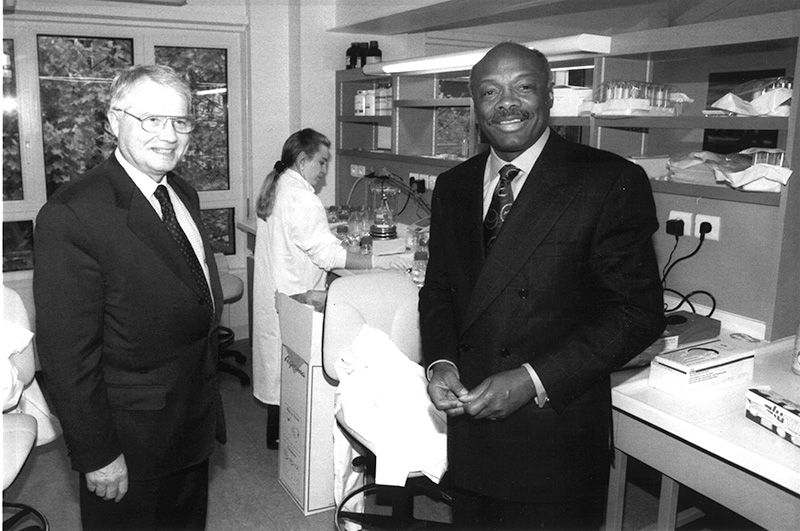
At the Pasteur Institute in France, Drs Françoise Barré-Sinoussi, Luc Montagnier, et al., isolate a new retrovirus from a French patient with AIDS symptoms. They call it lymphadenopathy-associated virus, or LAV.

Dr. Mervyn F. Silverman, Director of the San Francisco Department of Health, launches a citywide program to combat the local epidemic.

The AIDS Medical Foundation (AMF) is founded by Dr. Mathilde Krim, Dr. Joseph Sonnabend, Michael Callen, and others, as a New York-based AIDS research organization.
The first AIDS discrimination case is brought to court in the U.S. (The suit was filed by Dr. Sonnabend to prevent the eviction of his medical practice specializing in AIDS patients.)
The CDC warns blood banks of a possible problem with the U.S. blood supply and joins other government agencies in issuing the first recommendations for preventing sexual, drug-related, and occupational transmission of HIV.
AIDS cases have now been reported in 33 countries.
U.S. YEAR-END STATISTICS
2,807 cases of AIDS reported to date
2,118 deaths
In Science, a publication of the American Association for the Advancement of Science, Dr. Robert Gallo of the U.S. National Cancer Institute reports that his lab has isolated the virus believed to cause AIDS. He calls it human T-cell lymphotropic virus type III (HTLV-III).
At the University of California, San Francisco, Dr. Jay A. Levy reports the isolation of a retrovirus from U.S. AIDS patients and healthy individuals in risk groups. He calls it the AIDS-associated virus (ARV).
Scientists conclude that AIDS is caused by a new retrovirus, which they later name human immunodeficiency virus (HIV).
U.S. Department of Health and Human Services Secretary Margaret Heckler predicts an AIDS vaccine will be ready for testing within two years.
Dr. Krim testifies before Congress on the need for AIDS research dollars and issues a plea for protecting the rights of people with AIDS.
Scientists isolate a virus that causes an AIDS-like illness in monkeys.
The AIDS Medical Foundation distributes its first 18 basic research grants.
U.S. YEAR-END STATISTICS
7,239 cases of AIDS reported to date
5,596 deaths
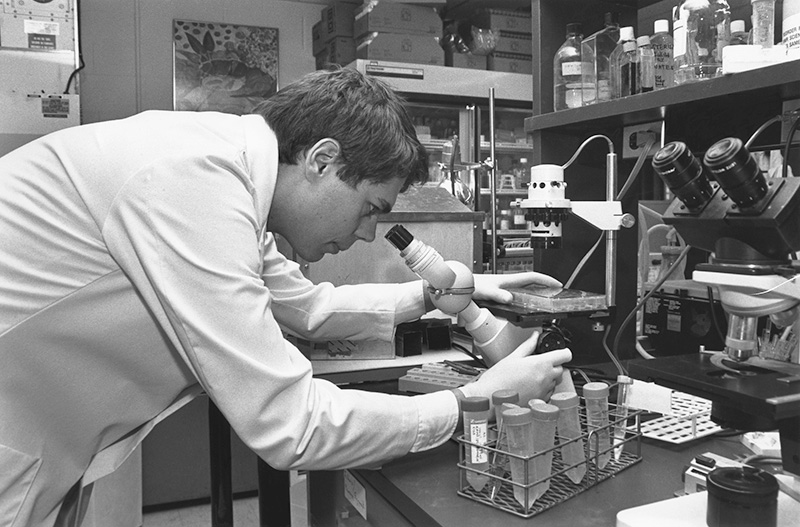

The federal government licenses an HIV antibody test, and screening of the U.S. blood supply begins.
Ryan White, a 13-year-old hemophiliac with AIDS, is barred from school in Indiana.
The first International AIDS Conference is held in Atlanta.
The U.S. Department of Defense announces it will begin testing all new recruits for HIV infection and will reject those who test positive.
AMF joins forces with the Los Angeles-based National AIDS Research Foundation to form the American Foundation for AIDS Research (amfAR). Michael Gottlieb, M.D., and Mathilde Krim, Ph.D., become its Founding Chairmen; Elizabeth Taylor becomes its Founding National Chairman.

AIDS has now been reported in 51 countries and on every continent except Antarctica.
Rock Hudson dies of AIDS.
U.S. YEAR-END STATISTICS
15,527 cases of AIDS reported to date
12,529 deaths
amfAR issues its first HIV/AIDS Treatment Directory.
In the first comprehensive report on AIDS, the Institute of Medicine states that $2 billion is needed annually for AIDS research and care.
U.S. Surgeon General C. Everett Koop calls for a comprehensive program of sex and AIDS education and urges the widespread use of condoms.
The National Institutes of Health (NIH) plans the formation of its AIDS Clinical Trials Group (ACTG).
The first controlled efficacy trial of AZT is undertaken by the NIH.
In West Africa, a second type of HIV, HIV-2, is discovered in commercial sex workers.
Dr. Krim and Elizabeth Taylor testify before Congress on the need for clinical research in the community setting, accelerated research on new treatments, and rapid access to experimental HIV/AIDS drugs.
Ms. Taylor appears in amfAR-produced public service TV ads to heighten AIDS awareness and encourage compassion for people with AIDS.

amfAR awards $1.5 million in research grants, including a grant to Dr. Nancy Chang to study an HIV enzyme called protease. (See 1995.)
amfAR Program Officer Terry Beirn joins the staff of the U.S. Senate Committee on Labor and Human Resources and helps craft major AIDS legislation for the next four years.
The first panel of the AIDS Memorial Quilt is created in San Francisco.
Perry Ellis dies of AIDS.
Jerry Smith dies of AIDS.
U.S. YEAR-END STATISTICS
28,712 cases of AIDS reported to date
24,559 deaths
Approved in record time, zidovudine (AZT) becomes the first anti-HIV drug approved by the Food and Drug Administration (FDA). (At $10,000 for a one-year supply, AZT is the most expensive drug in history.)
amfAR awards its first grant addressing the international epidemic to Dr. Peter Piot for his landmark study of female-to-male HIV transmission in Kenya.
The CDC launches a new nationwide public information campaign, “America Responds to AIDS.”
Researchers realize that virtually all cases of HIV infection ultimately lead to full-blown AIDS, but only after a long incubation period.
And the Band Played On, a history of the AIDS epidemic by reporter Randy Shilts, is published.
The AIDS Coalition to Unleash Power (ACT UP) is founded in New York City.
The U.S. government bars HIV-infected immigrants and travelers from entering the country.
The Food and Drug Administration allows condom-makers to advertise the fact that latex condoms can help prevent the transmission of HIV and other sexually transmitted diseases.
The CDC expands its definition of AIDS to include wasting syndrome and dementia.
Michael Bennett dies of AIDS.
Liberace dies of AIDS.
amfAR Board member Sheldon Andelson, Esq., dies of AIDS.
U.S. YEAR-END STATISTICS
50,378 cases of AIDS reported to date
40,849 deaths

amfAR’s Terry Beirn helps muster support for, and Congress passes, the first comprehensive AIDS legislation—the Hope Act of 1988.
amfAR funds research to evaluate the effectiveness of pilot needle exchange programs in San Francisco and Portland, Oregon. These early studies indicate that making sterile syringes available can help reduce HIV infection rates among injection drug users.
In New York City, new AIDS cases that result from shared needles exceed those attributable to sexual contact, and the city’s Health Department begins an experimental needle exchange program.
ACT UP demonstrates at FDA headquarters to protest the slow pace of AIDS drug approval.
The federal government mails an educational pamphlet, “Understanding AIDS,” to 107 million homes nationwide.
amfAR funds the nation’s first two community-based AIDS clinical trials units in New York City and San Francisco.
Dr. Ruth Ruprecht receives an amfAR grant to test whether AZT can prevent mother-to-infant transmission of an HIV-like virus in monkeys. (See 1994.)

Anthony Fauci, M.D., is named acting director of NIH’s new Office of AIDS Research.
The World Health Organization designates December 1 as World AIDS Day.
amfAR Founding Board member Peter Scott, Esq., dies of AIDS.
U.S. YEAR-END STATISTICS
82,362 cases of AIDS reported to date
61,816 deaths

amfAR establishes a Community-Based Clinical Trials (CBCT) program and awards grants to 16 research units.
The NIH funds 17 community-based AIDS clinical research units as part of a federally sponsored research program.
As a result of CBCT trials, some funded by amfAR, the FDA approves treatments for AZT-induced anemia and Mycobacterium avium complex and a new method of preventing pneumonia.
Robert Mapplethorpe dies of AIDS.
amfAR staff member Bruce Kent dies of AIDS.
U.S. YEAR-END STATISTICS
117,508 cases of AIDS reported to date
89,343 deaths

With crucial help from amfAR’s Terry Beirn, Congress passes the Americans with Disabilities Act, which protects individuals with disabilities, including both people with HIV/AIDS and those suspected of being infected, from discrimination.
Surveillance data indicate that while black and Latina women constitute just 19% of all U.S. women, they represent 72% of U.S. women diagnosed with AIDS.
Domestic and international groups boycott the VI International AIDS Conference in San Francisco to protest U.S. immigration policy banning HIV-infected visitors.
In Nairobi, Kenya, amfAR conducts its first international AIDS prevention workshop.
To date, nearly twice as many Americans have died of AIDS as died in the Vietnam War.
Elizabeth Taylor and Jeanne White testify before Congress, and amfAR’s Terry Beirn rallies support for passage of the Ryan White Comprehensive AIDS Resources Emergency (CARE) Act of 1990.
Ryan White dies of AIDS.
Keith Haring dies of AIDS.
Halston dies of AIDS.
U.S. YEAR-END STATISTICS
160,969 cases of AIDS reported to date
120,453 deaths
The CDC reports that one million Americans are infected with HIV.
Kimberly Bergalis is reported to have been infected with HIV by her dentist.
Congress enacts the Housing Opportunities for People with AIDS (HOPWA) Act of 1991 to provide housing assistance to people with HIV/AIDS.
Earvin “Magic” Johnson announces that he is infected with HIV.
The red ribbon is introduced as a symbol of hope and compassion in the face of AIDS.
WHO estimates that nearly 10 million people are infected with HIV worldwide.
Freddie Mercury dies of AIDS.
amfAR staff members John Baker and Terry Beirn die of AIDS.
U.S. YEAR-END STATISTICS
206,563 cases of AIDS reported to date
156,143 deaths
Both the Democratic and Republican national conventions are addressed by HIV-positive women.
The first clinical trial of combination antiretroviral therapy begins.
The FDA issues new rules that allow accelerated approval of new AIDS drugs based on “surrogate markers” of their efficacy, such as laboratory tests, rather than long-term clinical outcomes such as the relief of symptoms or prevention of disability and death.
In New York City, amfAR undertakes the largest and most comprehensive study of syringe exchange programs in the U.S. The research is designed to provide solid data on which to base future public policy.
President Clinton establishes a new White House Office of National AIDS Policy.
Alison Gertz dies of AIDS.
Tina Chow dies of AIDS. Anthony Perkins dies of AIDS.
amfAR staff members Roger Pascoe and Randy Primm die of AIDS.
U.S. YEAR-END STATISTICS
254,147 cases of AIDS reported to date
194,476 deaths

In major U.S. cities, sexual transmission surpasses drug injection with contaminated needles as the leading cause of HIV infection among women.
AIDS patients start to show signs of resistance to AZT.
amfAR’s efforts contribute to the passage of the National Institutes of Health Revitalization Act, which strengthens NIH’s Office of AIDS Research.
The CDC’s decision to revise its definition of AIDS to include new opportunistic infections, cervical cancer, and HIV-positive people with T-cell counts under 200 results in an 111% increase in the number of U.S. AIDS cases. Many of these new cases are among women.
Dr. Carl Wild receives amfAR research funding to study the anti-HIV properties of a compound called T-20. (See 2003.)
In Nepal, amfAR launches an HIV prevention education program, providing technical assistance to community-level prevention activities conducted by 17 nongovernmental agencies.
A three-year European study shows no evidence that AZT delays the onset of AIDS.
The FDA approves a female condom for sale in the U.S.
Tom Hanks wins an Oscar for his role as a gay man with AIDS in the film “Philadelphia.”
Arthur Ashe dies of AIDS.
Rudolf Nureyev dies of AIDS.
amfAR staff members Brian Arndt and Jay Theodore die of AIDS.
U.S. YEAR-END STATISTICS
360, 909 cases of AIDS reported to date
234,225 deaths
An NIH-funded trial demonstrates that AZT can reduce the risk of mother-to-infant HIV transmission in humans. amfAR grantee Dr. Ruth Ruprecht’s early research in animal models helped make the government’s study possible.
U.S. Surgeon General Joycelyn Elders, a vocal advocate for increased AIDS education, is forced to resign.
Drs. David Ho and George Shaw show that following initial infection HIV replicates in the body continuously, producing billions of copies each day.
Elizabeth Glaser dies of AIDS.
Randy Shilts dies of AIDS.
U.S. YEAR-END STATISTICS
441,528 cases of AIDS reported to date
270,870 deaths

AIDS deaths in the U.S. reach an all-time high.
The New York Times reports that AIDS has become the leading cause of death among all Americans ages 25 to 44.
Between 1991 and 1995, the number of American women diagnosed with AIDS increased by more than 63%.
A clinical trial establishes dual combination therapy with AZT and other nucleoside analogues as a standard approach for HIV treatment.
The FDA approves the first protease inhibitor (saquinavir). (amfAR grantee Dr. Nancy Chang’s early studies of the protease enzyme helped spur the development of this powerful new class of anti-HIV drugs.)
Dr. Stephen Johnston, a 1992 amfAR grantee, announces significant progress in the development of DNA vaccines that are safe and effective against disease-causing organisms, including HIV. (DNA vaccines remain one of the most promising AIDS vaccine concepts.)
President Clinton establishes the President’s Advisory Council on HIV/AIDS.
Actress Sharon Stone becomes Chairman of amfAR’s Campaign for AIDS Research.
Eric Lynn Wright (Eazy-E) dies of AIDS.
Paul Monette dies of AIDS.
amfAR staff member Frank Nowicki dies of AIDS.
U.S. YEAR-END STATISTICS
513,486 cases of AIDS reported to date
319,849 deaths

For the first time in the U.S., a larger proportion of AIDS cases occur among African Americans (41%) than among whites (38%).
The FDA approves the first non-nucleoside reverse transcriptase inhibitor (nevirapine), as well as a new viral load test that can measure the level of HIV in a patient’s blood.
Combination therapy is made available to HIV/AIDS patients for the first time, leading to a dramatic decline in AIDS-related deaths.
amfAR grantee Dr. Nathaniel Landau publishes research demonstrating that HIV requires a protein called CCR5 to infect cells. (See 1999.)
The Joint United Nations Programme on AIDS (UNAIDS) is established to coordinate a global response to the pandemic. (An early amfAR grantee, Dr. Peter Piot, is named its Executive Director.)
Between 1992 and 1996, the number of mother-to-infant HIV transmissions in the U.S. dropped by two-thirds, primarily as a result of treatment of HIV-infected mothers and their newborns with AZT.
Reports from the XI International Conference on AIDS in Vancouver, Canada, indicate that new combination therapies that include a protease inhibitor are extending the lives of some HIV/AIDS patients.
The first home HIV test is approved by the FDA.
As published in The Lancet, the results of a four-year amfAR-funded study of syringe exchange programs in New York City show that such programs reduce HIV infections by two-thirds and facilitate access to drug treatment and other health care services.
For the first time since the start of the epidemic, the number of Americans dying from AIDS declines, dropping 23% from the previous year. The decline is attributed primarily to the success of the new combination therapies.
The U.N. estimates that 22.6 million people are infected with HIV and 6.4 million people have died of AIDS worldwide.
amfAR staff member Travis Rogers dies of AIDS.
U.S. YEAR-END STATISTICS
581,429 cases of AIDS reported to date
362,004 deaths
AIDS patients continue to live longer thanks to the new anti-HIV therapies, dubbed drug “cocktails,” and AIDS deaths in the U.S. decline by 42%. But the number of new HIV infections among Americans has remained constant at about 40,000 annually since 1992.
amfAR sponsors a think tank in association with the Aaron Diamond AIDS Research Center and The Rockefeller University to discuss vaccine research priorities.
amfAR launches targeted grant initiatives to design a safe and effective AIDS vaccine and develop methods of restoring immune system function in people infected with HIV.
President Clinton calls for the development of an AIDS vaccine by 2007.
Fela Anikulapo-Kuti dies of AIDS.
amfAR Board member Tom Stoddard dies of AIDS.
U.S. YEAR-END STATISTICS
641,086 cases of AIDS reported to date
390,692 deaths
Early work by amfAR-funded researchers Drs. Joseph Sodroski and Richard Wyatt culminates in the first 3-D images of HIV as it attaches to the surface of immune cells. (Knowledge of this structure could be critical to designing an effective AIDS vaccine.)
AIDS deaths in the U.S. decline by 21%. However, the limitations of existing treatments, including the emergence of drug-resistant viral strains, cause scientists to predict that there will be no further significant declines.
Physicians express increasing concern over lipodystrophy and other side effects of current anti-HIV drugs.
Early hope that combination therapy might effect a clinical cure for AIDS fades.
amfAR grantees Drs. Jack Nunberg and Dan Littman develop a “fusion competent” vaccine concept that remains one of the most promising approaches in AIDS vaccine research.
U.S. Department of Health and Human Services Secretary Donna Shalala determines that needle exchange programs are effective in preventing HIV infection and do not encourage illegal drug use. But the Congressional ban on federal funding of such programs remains in place.
amfAR launches the first major clinical trial comparing two therapies for the treatment of hepatitis C (HCV) in people infected with HIV. (As many as 40% of Americans with HIV are co-infected with HCV.)
African American leaders declare that AIDS constitutes a “state of emergency” for their communities.
U.S. YEAR-END STATISTICS
688,200 cases of AIDS reported to date
410,800 deaths

amfAR announces a new grant initiative to accelerate the development of topical substances (microbicides) that could neutralize HIV and prevent other sexually transmitted diseases.
In over 27 countries, the HIV infection rate has doubled since 1996. More than 95% of all HIV-infected people now live in the developing world, which has experienced 95% of AIDS deaths to date.
Experts estimate that at least half of all new HIV infections in the U.S. (and worldwide) occur among young people under the age of 25.For the first time in the U.S., a larger proportion of AIDS cases occur among African Americans (41%) than among whites (38%).
Women now account for 23% of AIDS cases in the U.S., as opposed to only 7% in 1985. One-third of new HIV infections occur among women, and young women are at particularly high risk. In sub-Saharan Africa, the epicenter of the global epidemic, 55% of all HIV-positive adults are women.
Scientists identify nevirapine as simpler, more effective, and cheaper than AZT for preventing mother-to-infant HIV transmission in developing countries.
amfAR’s HIV/AIDS Treatment Directory becomes available in an interactive, online database format.
T-20, one of a new class of anti-HIV drugs called “fusion inhibitors,” begins clinical trials. Efforts are also under way to develop related “binding inhibitors,” many of which target the CCR5 co-receptor discovered by amfAR grantee Dr. Nathaniel Landau.
amfAR staff member Paul Corser dies of AIDS.
U.S. YEAR-END STATISTICS
733,374 cases of AIDS reported to date
430,441 deaths

amfAR Founding National Chairman Elizabeth Taylor receives the title Dame of the British Empire (D.B.E.) in honor of her contributions to the entertainment industry and the fight against AIDS.
With the leadership of U.S. Ambassador Richard C. Holbrooke and others, the United Nations Security Council declares AIDS an international security issue because it threatens social, economic, and political structures worldwide.
amfAR launches a targeted grant initiative to identify new viral and cellular targets for anti-HIV drugs.
UNAIDS and other global health groups announce a joint initiative with five major pharmaceutical companies to negotiate reduced AIDS drug prices in developing countries.
The CDC reports that black and Latino men now account for more AIDS cases among men who have sex with men (MSM) than white men.
The XIII International AIDS Conference in Durban, South Africa, focuses world attention on the exploding epidemic in sub-Saharan Africa, where millions of people with HIV/AIDS have little or no access to medical treatment.
In conjunction with the Durban conference, amfAR places a full-page ad in The New York Times headlined “HIV causes AIDS. To argue otherwise costs lives.” A response to a small but vocal minority who question the cause of AIDS, the ad is signed by over 500 scientists and physicians.
Dr. Mathilde Krim is awarded the Presidential Medal of Freedom in recognition of her leadership in creating the AIDS Medical Foundation in 1983 and amfAR in 1985, and her commitment to the fight against AIDS.
UNAIDS reports that 36.1 million people are now living with HIV/AIDS, over 13 million children have lost one or both parents to AIDS, and nearly 22 million people have died of AIDS-related causes since the epidemic began.
U.S. YEAR-END STATISTICS
774,467 cases of AIDS reported to date
448,060 deaths
amfAR creates TREAT Asia, a network of clinics, hospitals, and research institutions working with civil society to ensure the safe and effective delivery of HIV/AIDS treatments throughout Asia and the Pacific.
Indian drug-maker Cipla announces it will sell triple-drug therapy for $350 per patient per year to Médecins Sans Frontières and directly to poor nations, prompting several major pharmaceuticals to lower prices. (In the U.S., the annual cost of combination therapy averages between $10,000 and $15,000.)
Recognizing the debilitating side effects associated with combination therapy and the speed with which HIV can develop resistance, the CDC issues new guidelines recommending that antiretroviral treatment be postponed until an individual’s immune system declines markedly.
A new study shows that 14% of individuals newly infected with HIV in the U.S. already exhibit resistance to at least one antiviral drug.
Pharmaceutical companies withdraw their lawsuit to block implementation of a South African law that permits the import and manufacture of generic antiretrovirals.
amfAR Founding National Chairman Elizabeth Taylor is awarded a Presidential Citizens Medal for her work against AIDS.
U.N. Secretary General Kofi Annan calls for the creation of a $7 to $10 billion global fund to combat AIDS in the developing world.
A special session of the United Nations General Assembly is held June 25-27 in an effort to intensify international action to fight the epidemic and mobilize adequate resources.
U.S. Secretary of State Colin Powell reaffirms the position that HIV/AIDS constitutes a national security threat.
AIDS organizations and advocates commemorate the 20th anniversary of a brutal, unrelenting epidemic.
If current trends remain unchanged, there will be more than 62 million people living with HIV/AIDS by 2005, and more than 40 million children will have been orphaned by AIDS in Africa alone by 2010.
Nkosi Johnson dies of AIDS.
U.S. YEAR-END STATISTICS
816,149 cases of AIDS reported to date
462,653 deaths
The Global Fund to Fight AIDS, Tuberculosis, and Malaria—a partnership between government, civil society, the private sector, and affected communities—is established.
AIDS is the leading cause of death worldwide among people aged 15-59.
UNAIDS reports that women now comprise about half of all adults living with HIV/AIDS worldwide.
The FDA approves the OraQuick “finger prick” Rapid HIV-1 Antibody Test.
A survey of HIV-infected patients across the U.S. is initiated by amfAR and designed by Harris Interactive. Its purpose is to stimulate improvement in the overall medical care of people with HIV/AIDS.
U.S. YEAR-END STATISTICS
886,000 cases of AIDS reported to date
501,669 deaths
During his State of the Union address, President George W. Bush announces his Emergency Plan for AIDS Relief (PEPFAR), a five-year, $15 billion initiative to fight HIV/AIDS, primarily in Africa and the Caribbean.
AIDSVAX, an experimental AIDS vaccine, fails to block HIV infection among the more than 2,000 intravenous drug users who volunteered for the first large-scale clinical trial of an AIDS vaccine.
T-20, or Fuzeon, first tested by amfAR researcher Dr. Carl Wild, is approved by the FDA, offering new hope to thousands of patients who are resistant to other anti-HIV drugs. (See 1993.)
UNAIDS and the World Health Organization announce the ‘3 by 5’ Initiative aimed at providing antiretroviral treatment to 3 million people worldwide by 2005.
U.S. YEAR-END STATISTICS
930,000 cases of AIDS reported to date
524,060 deaths
The International AIDS Conference takes place in Bangkok, Thailiand, marking the first time the conference is held in Southeast Asia.
At the conference, representatives of amfAR’s TREAT Asia program announce findings from the TREAT Asia HIV Observational Database (TAHOD), the first and only database on HIV disease and treatment in Asia.
The FDA approves the use of oral fluid samples with a rapid HIV diagnostic test kit that provides screening results with 99 percent accuracy in as little as 20 minutes.
amfAR launches a new initiative to raise awareness about the spread of HIV among women and girls, and to promote research, education, and policy activities to address it.
A United Nations report warns of the growing AIDS crisis in Eastern Europe and the former Soviet Union.
15 million children worldwide have lost one or both parents to HIV/AIDS.
U.S. YEAR-END STATISTICS
940,000 cases of AIDS reported to date
529,113 deaths
The CDC reports that more than one million Americans are living with HIV/AIDS.
Nelson Mandela announces the death of his son from AIDS-related complications.
The FDA approves Kaletra as the first once-a-day treatment option.
amfAR research fellows Drs. Bing Chen and Rosa Cardoso achieve separate breakthrough discoveries that could help speed the discovery of an effective AIDS vaccine.
Kenneth Cole, KNOW HIV/AIDS, a joint public education initiative of Viacom Inc. and the Kaiser Family Foundation, and amfAR launch a new AIDS awareness campaign, “We All Have AIDS,” to reduce the stigma associated with HIV/AIDS.
A new report released by the World Health Organization and UNAIDS shows that the number of people on HIV antiretroviral treatment in developing countries has more than tripled since 2003 to 1.3 million.
UNAIDS estimates that more than 40 million people are living with HIV worldwide.
The CDC reports that African Americans account for more than half of new HIV infections in the U.S.
The CDC announces that mother-to-child HIV transmission in the U.S. has declined to less than two percent. Early studies supported by amfAR ultimately led to the use of antiretrovials to block mother-to-child transmission.
The FDA approves the world’s first anti-HIV drug that it taken once per day as a single pill.
The CDC recommends that all adolescents and adults be routinely tested for HIV infection.
amfAR’s TREAT Asia program launches a pediatric network to help improve the quality of life of children living with HIV/AIDS in Asia and the Pacific.
Circumcision is found to reduce HIV infections in men by around 50 percent.
The Global Fund to Fight AIDS, Tuberculosis and Malaria more than doubles the number of patients receiving ARVs to more than 1.4 million.
Congress overturns the ban on using local taxpayer dollars to support syringe exchange programs in Washington, D.C.
amfAR launches the MSM Initiative, a global program to support HIV prevention, treatment, and advocacy efforts for men who have sex with men (MSM).The FDA approves maraviroc, the first in a new class of anti-HIV drugs called CCR5-blockers, and raltegravir, for patients whose treatment regimens have failed.
New UNAIDS statistics, based on new surveillance methods, estimate that 33 million people are living with HIV/AIDS.
amfAR awards first Mathilde Krim Fellowships in Basic Biomedical Research, a program aimed at recruiting exceptional young researchers to the field of HIV/AIDS research.
Several months after receiving her Krim Fellowship, Dr. Nolwenn Jouvenet captures on film the birth of the new HIV virus particles—the first time the birth of any virus was recorded.
Revised CDC estimates reveal than 56,300 new HIV infections occurred in the U.S. in 2006—40 percent more than previously estimated.
Professor Luc Montagnier and Professor Francoise Barre-Sinoussi, both former amfAR grantees, share the 2008 Nobel Prize in Medicine for the 1983 discovery of a new retrovirus later named HIV.
The story of a man who was cured of HIV—known as “the Berlin Patient”—is first reported in The New England Journal of Medicine. The man, who also had leukemia, underwent a risky stem-cell transplant to eradicate his cancer while also receiving new cells with a naturally occurring, HIV-blocking CCR5 mutation.

amfAR trustee and passionate HIV/AIDS research and advocacy supporter Natasha Richardson dies.
At a landmark conference on Capitol Hill, amfAR issues a Call to Action urging the federal government to overhaul its approach to HIV/AIDS prevention, treatment delivery, and research.
The U.S. House of Representatives lifts the 20-year ban on federal funding for syringe exchange programs.
Sen. Edward M Kennedy (D-MA), who championed AIDS-related legislation that touched millions of lives, dies.
The U.S. ends travel ban on HIV-positive visitors and immigrants. The ban had been in place since 1987.
The first HIV-positive visitor freely enters U.S. after the lifting of the travel ban.
amfAR launches a research consortium for HIV eradication with an aim of furthering the search for a cure for HIV/AIDS.
The White House unveils the National HIV/AIDS Strategy—the first of its kind—that sets goals for reducing HIV incidence, increasing access to care, and reducing health-related disparities.
A study released at the XVIII International AIDS Conference in Vienna shows that a vaginal microbicide applied before heterosexual sex can protect some women from HIV infection.
The number of people receiving HIV/AIDS treatment in low- and middle-income countries reaches a record high of 5.25 million, but universal access remains a distant goal.
A landmark study shows that taking HIV drugs preventatively could significantly reduce infection among men who have sex with men (MSM).

Scientific interest in the search for a cure for HIV/AIDS intensifies as the International AIDS Society and the NIH announce plans to launch their own cure initiatives.
amfAR marks its 25th year with the amfAR25 campaign, launched at the annual New York Gala honoring Founding International Chairman Elizabeth Taylor, President Bill Clinton, and Diane Von Furstenberg.
Founding International Chairman Elizabeth Taylor dies at 79 and is remembered around the world for her pioneering contributions to the fight against HIV/AIDS.
A landmark research study shows that putting healthy people living with HIV on antiretrovirals can limit their transmission of the virus by 96 percent.
More than 1.1 million people are living with HIV/AIDS in the United States, and more than 33 million people are living with HIV/AIDS around the world.
Marking its ten-year anniversary in January, the Global Fund to Fight AIDS, Tuberculosis and Malaria has provided HIV treatment to 3.3 million people, tuberculosis treatment to 7.7 million, and malaria treatment to more than 230 million worldwide. The Fund has disbursed more than $14 billion in grants to 150 countries, and is credited with saving more than six million lives.
U.S. Department of Health and Human Services issues new guidelines recommending treatment for all adults and adolescents living with HIV, regardless of CD4 count or viral load.
The FDA approves the first at-home HIV test that enables people to learn their HIV status right away.
The FDA approves the use of Truvada for pre-exposure prophylaxis (PrEP). HIV-negative adults who are at risk for infection can take this medication to reduce their risk of acquiring HIV.
The 19th International AIDS Conference (AIDS 2012) is held in Washington, DC—the first time since 1990 that the conference has been held in the United States. Conference organizers had refused to convene the event in the U.S. until the federal government lifted the ban on HIV-positive travelers entering the country.
The case of “the Mississippi child,” who showed no trace of HIV ten months after stopping antiretroviral therapy, generates excitement at the Conference on Retroviruses and Opportunistic Infections (CROI). Hopes that this was a case of a “functional cure” are dashed, however, when the child’s virus rebounds the following year.
French researchers report that they are following 14 people—the VISCONTI cohort—who are “functionally cured” of HIV. These individuals were given antiretroviral therapy soon after infection and have been off treatment for an average of more than seven years.
Secretary of State John Kerry announces that, aided by PEPFAR support, more than one million infants have been born HIV-free since 2003.
amfAR-funded researchers report that two HIV-positive patients in Boston who had bone-marrow transplants for blood cancers have apparently been virus-free for many weeks since stopping antiretroviral therapy. Both patients eventually experienced viral rebound.
UNAIDS reports a decline in HIV infections and AIDS-related deaths. In 2012, 2.3 million people were newly infected with HIV and 1.6 million people died of AIDS-related illnesses.
President Obama issues an executive order directing federal agencies to prioritize supporting the HIV care continuum as a means of implementing the National HIV/AIDS Strategy. The HIV Care Continuum Initiative aims to accelerate efforts to improve the percentage of people living with HIV who move from testing to treatment and—ultimately—to viral suppression.
President Obama signs the HIV Organ Policy Equity (HOPE) Act, which will allow people living with HIV to receive organs from other infected donors.
Major provisions of the Affordable Care Act (ACA) go into effect barring insurers from discriminating against people with pre-existing conditions or imposing annual limits on coverage—key advances for people living with HIV.
amfAR announces the launch of the Countdown to a Cure for AIDS, a research initiative of up to $100 million aimed at developing the scientific basis for an HIV cure by the end of 2020.
amfAR also establishes a consortium of European researchers called IciStem to study and attempt to replicate the circumstances that led to the cure of Timothy Brown, the “Berlin patient.”
Researchers report on the first phase of the PARTNER Study, an observational study focusing on the risk of transmission when an HIV-positive person is on treatment. No study participants on antiretroviral therapy with an undetectable viral load transmit HIV to an HIV-negative partner.
The AIDS 2014 conference draws nearly 14,000 delegates from across the world. One key conference message: A one-size-fits-all approach may not be suitable for all settings, especially given the diversity of the epidemic’s geographic hotspots and key populations.
A new report by amfAR and AVAC finds that gaps in critical data imperil the response to the global HIV epidemic and outlines corrective steps for improved, transparent, and timely data collection.
The CDC announces that only 30% of Americans with HIV had the virus under control in 2011, and approximately two-thirds of those whose virus was not under control had been diagnosed but were no longer in care.
In November, amfAR convenes its first annual HIV Cure Summit at the New York Academy of Sciences. The Summit brings leading researchers together to report on their progress and to discuss the complex scientific challenges that stand in the way of an HIV cure.
Researchers report that antiretroviral therapy is highly effective at preventing sexual transmission of HIV from a person living with HIV to an uninfected heterosexual partner when the HIV-positive partner is virally suppressed. The finding comes from the decade-long HPTN 052 clinical trial.
amfAR launches the PEPFAR Country/Regional Operational Plans (COPs/ROPs) Database, which is designed to help civil society organizations, ministries of health and finance, researchers, and other stakeholders to access and understand PEPFAR’s programs and priorities.
Indiana state health officials announce an HIV outbreak linked to injection drug use in rural Scott County. By the end of the year, Indiana will confirm 184 new cases of HIV linked to the outbreak.
In recognition of her leadership in the fight against HIV/AIDS, the National Portrait Gallery accepts two photographic portraits of Dr. Krim into its permanent collection.
The White House launches the National HIV/AIDS Strategy: Updated to 2020. The updated Strategy incorporates scientific advances, increased healthcare access due to the ACA, and a renewed emphasis on key populations, geographic areas, and practices necessary to end the domestic HIV epidemic.
The World Health Organization announces new treatment recommendations that call for all people living with HIV to begin antiretroviral therapy as soon after diagnosis as possible and daily oral PrEP as an additional prevention choice for those at risk of contracting HIV.
The U.S. Food and Drug Administration announces it will lift its 30-year-old ban on all blood donations by men who have sex with men and institute a policy that allows them to donate blood if they have not had sexual contact with another man in the previous 12 months.
amfAR celebrates its 30th anniversary. Over three decades, The Foundation has invested more than $400 million in its programs.

The amfAR Institute for HIV Cure Research is established with a $20 million grant over five years to the University of California, San Francisco. The Institute will serve as the cornerstone of amfAR’s Countdown to a Cure for AIDS initiative.
The “Undetectable=Untransmittable (U=U)” slogan is launched by the Prevention Access Campaign to promote the finding that HIV-positive people who are virally suppressed cannot sexually transmit the virus to others.
A large international study reports that HIV resistance to the widely prescribed antiretroviral drug tenofovir is becoming increasingly common.
At CROI, researchers announce that a man taking the HIV prevention pill Truvada has contracted HIV—the first reported infection of someone regularly taking the drug.
The U.S. Department of Health and Human Services releases new guidance for state, local, tribal, and territorial health departments that will allow them to request permission to use federal funds to support syringe services programs.
The United Nations holds its 2016 High-Level Meeting on Ending AIDS. UN member states pledge to end the AIDS epidemic by 2030, but the meeting is marked by controversy after more than 50 nations block the participation of groups representing LGBT people from attending the meeting.
Through the amfAR Research Consortium on HIV Eradication (ARCHE), a program that fosters collaboration among teams of scientists, amfAR awards more than $2.3 million in grants to seven teams of researchers working on gene therapy-based approaches to curing HIV.
African Americans account for 43% of new HIV diagnoses, although they comprise only 13% of the population.
The New York Times reports that, as a group, African American gay and bisexual men have a higher HIV prevalence than any nation in the world.
amfAR launches its Opioid & Health Indicators Database to help communities, policymakers, and advocates effectively respond to the opioid epidemic. The database houses comprehensive data on HIV and hepatitis C infections, opioid use, overdose death rates, and the availability of services such as drug treatment and syringe services programs.
California governor Jerry Brown signs a bill downgrading the charge for knowingly exposing a sexual partner to HIV or donating blood without disclosing the infection from a felony to a misdemeanor.

Dr. Mathilde Krim, amfAR’s Founding Chairman, dies at 91. In remembrance, The New York Times calls her “America’s foremost warrior in the battle against superstitions, fears and prejudices that have stigmatized many people with AIDS.”
The NIH launches a large international study to compare the safety and efficacy of antiretroviral treatment regimens for pregnant women living with HIV and their infants.
A global analysis, reviewing studies involving nearly 800,000 people from 153 countries, finds that people living with HIV are twice as likely as their HIV-negative counterparts to suffer from heart disease.
The WHO certifies that Malaysia has eliminated mother-to-child transmission of HIV.
A study reports that targeted, high-coverage roll-out of PrEP is associated with a 25% reduction in new HIV diagnoses in one year. It is the first study to test PrEP’s population-level effectiveness.
amfAR-funded researchers at the European IciStem consortium report a “profound” reduction in the HIV reservoirs of five patients who have received stem cell transplants.

President Trump announces his administration’s goal to end the HIV epidemic in the United States in 10 years. The proposed Ending the HIV Epidemic: A Plan for America aims to reduce the number of new HIV infections domestically by 75% in five years and by 90% by 2030.

amfAR-funded researchers report on the case of the “London Patient,” who may be only the second person to have been cured of HIV. Like the “Berlin patient,” the man has no detectable HIV infection after receiving a bone marrow transplant from a donor with a genetic mutation conferring immunity to HIV.
Surgeons at Johns Hopkins Hospital in Baltimore, MD, perform the first transplant of a kidney from an HIV-positive living donor into an HIV-positive recipient.

The NIH announces the launch of the LATITUDE clinical trial to evaluate long-acting injectable antiretroviral therapy for maintaining HIV suppression in people who find it challenging to take daily antiretroviral drugs.

amfAR launches its Ending the HIV Epidemic (EHE) Database website to help policymakers, public health officials, advocates, and other stakeholders to understand the opportunities and challenges across EHE jurisdictions.
In January, Chinese researchers determine a novel coronavirus—SARS-CoV-2—is the cause of a cluster of transmissions in Wuhan. On March 11, the World Health Organization declares COVID-19 a pandemic.

An amfAR study responds to a crucial data gap by examining the impact of COVID-19 on Black communities. Countering the narrative that underlying health conditions (e.g., diabetes, cerebrovascular disease) were responsible for disparate rates of SARS-CoV-2 diagnoses among Black Americans, the study shows that social factors such as high rates of uninsured and crowded households in Black counties were responsible for greater rates of COVID-1. The study is later honored with the Elsevier Atlas Award.

Scheduled to convene in San Francisco and Oakland, AIDS 2020, the 23rd International AIDS Conference, follows COVID-19 safety protocols and goes completely virtual. It draws 13,453 participants from 176 countries.

Seeking to induce post-treatment control in people living with HIV using a combination of agents, a unique and potentially groundbreaking clinical trial led by Dr. Steven Deeks and other researchers at the amfAR Institute for HIV Cure Research gets underway. The complex, multi-stage trial is the culmination of four years of work by teams of researchers at the Institute, which amfAR launched in 2016 with a five-year $20 million grant to the University of California, San Francisco.
The age-adjusted rate of HIV-related deaths among people living with HIV in the U.S. decreased by almost half from 2010 to 2017, according to a CDC report.


Dr. Joseph Sonnabend passes away on January 24, 2021. In 1983, Dr. Sonnabend, along with Dr. Mathilde Krim and Michael Callen, founded the AIDS Medical Foundation, which would join forces with Elizabeth Taylor’s National AIDS Research Foundation to form amfAR in 1985.

Even though AIDS has been around for longer than 40 years, June 5 marks the 40th anniversary of the first scientific reporting of identified AIDS cases in the U.S.
A 30-year-old Argentinian woman, diagnosed positive in 2013, appears to be spontaneously cured of HIV, according to a study whose authors include amfAR grantees. After an exhaustive search of 1.5 billion of the woman’s cells, researchers were unable to find any virus that could competently replicate. The woman, named the “Esperanza patient” after her birthplace, is the second person, after Loreen Willenberg, believed to have naturally cleared her infection.
Botswana becomes the first high-burden country to significantly reduce mother-to-child HIV transmission, an important step toward an AIDS-free generation.

amfAR’s TREAT Asia program receives a five-year $14.5 million grant from the U.S. National Institutes of Health, representing the fourth successive round of funding for a partnership between TREAT Asia and the Kirby Institute at the University of New South Wales (UNSW), Sydney, Australia. TREAT Asia’s network includes more than 50 research institutions and community organizations in 13 countries across the Asia-Pacific.

At a World AIDS Day event at the White House, President Biden announced the release of an updated National HIV/AIDS Strategy and recommitted the United States to ending AIDS as a public health threat by 2030. The Strategy focuses on four goals: prevent new HIV infections; improve HIV-related health outcomes of people with HIV; reduce HIV-related disparities and health inequities; and achieve integrated, coordinated efforts that address the HIV epidemic among all partners and stakeholders.
Two long-acting injectables are approved by the FDA—Apretude, the first long-acting injectable for PrEP, and Cabenuva, a long-acting HIV treatment.
Russia’s invasion of Ukraine, which according to the WHO included hundreds of attacks on medical facilities and health workers, has interrupted access to lifesaving medications for people living with HIV, especially in the Donetsk region.

In April, a new variant of monkeypox (mpox) virus infection is identified in the UK and explodes into a global outbreak. amfAR helps guide the U.S. response to mpox and sound the alarm about the risk of acquiring the virus among those who comprise the majority of cases so far: men who have sex with men (MSM), particularly Black and Latino MSM as well as individuals living with HIV.
Two more individuals—the New York patient and the City of Hope patient—appear to have been cured of HIV after transplants using stem cells with the CCR5 mutation, an approach that has been a recurrent theme in amfAR’s cure research for the past 10 years.
The phenomenon of exceptional elite control—people who, without the use of ART, control HIV viral replication and do not experience immune dysfunction—has been noted in six individuals who have been followed for 30 years by researchers. Along with the Esperanza patient, reported in 2021, researchers propose they may be considered a good model for an HIV cure.

An instance of post-treatment control—another possible cure strategy—is reported by a research team in Spain. The Barcelona patient is a woman who had participated in a clinical trial of several immune-modifying interventions that variously suppress and stimulate immune function and stopped taking ART with no rebound of HIV for 15 years.
The WHO recommends use of long-acting injectable cabotegravir (CAB-LA) as PrEP for people at substantial risk for HIV.

Dr. Anthony Fauci—one of the most cited scientists of all time, particularly in the field of HIV/AIDS—retires in December as director of the National Institute of Allergy and Infectious Diseases at the National Institutes of Health. The nation’s top infectious disease expert since 1984, Fauci has been medical advisor to seven U.S. Presidents.
According to new UNAIDS data, progress in prevention and treatment has diminished to the point where urgent action is needed to address the inequalities driving AIDS and prevent millions of new HIV infections and AIDS-related deaths. 1.5 million new infections occurred in 2021—more than 1 million higher than UNAIDS targets—and adolescent women and girls, as well as members of key populations, made up the majority.
The Global Alliance for Ending AIDS in Children by 2030 (UNAIDS, UNICEF, WHO, and other partners) is launched to close the treatment gap between children and adults living with HIV (only 52% of children vs. 76% of adults are accessing lifesaving medications) and prevent new infant HIV infections.

2022 saw the passing of AIDS pioneers Dr. Luc Montagnier, co-discoverer of HIV and Nobel Prize winner, and Dr. Paul Farmer, health equity advocate and co-founder of Partners in Health.
The Food and Drug Administration (FDA) revises its policy on blood donation, recommending that a risk assessment be given to all potential donors, regardless of gender or sexual orientation. The previous guidelines allowed men who have sex with men (MSM) to donate blood only after waiting three months after their most recent sexual encounter.
The Tennessee Department of Health abruptly rejects the use of available federal funds for HIV prevention services. Among the programs affected are HIV prevention and surveillance activities, as well as the federal Ending the HIV/AIDS Epidemic (EHE) initiative.
A study conducted at the amfAR Institute for HIV Cure Research at UCSF establishes proof of concept that combination immunotherapy may induce post-treatment control by altering facets of the virus or the immune response to it, and it provides a wealth of clues for scientists to build on for a scalable HIV cure.
In January, Janssen/Johnson & Johnson and partners discontinue the Phase 3 Mosaico HIV vaccine clinical trial after an independent review found that the vaccine regimen was not effective in preventing HIV. In December, PrEPVacc—an African-led study of a combination of experimental HIV vaccines and PrEP—was also discontinued after disappointing efficacy results.

An individual known as the Geneva patient may have been cured of HIV via a stem cell transplant. Unlike the previous five people cured with donor stem cells from individuals with the CCR5-delta32 genetic mutation, which renders cells almost impervious to HIV infection, this transplant involved “wild-type” donor cells without the mutation.
Uganda’s Anti-Homosexuality Act, signed into law by President Yoweri Museveni, represents one of the strictest and most discriminatory pieces of legislation against LGBTQ+ people and people living with or at risk for HIV ever enacted. Local activists and other countries criticized the law, fearing it will negatively impact HIV prevention and treatment.
Succeeding Dr. Anthony Fauci, Dr. Jeanne Marrazzo, a respected expert in HIV prevention, is appointed director of the National Institute of Allergy and Infectious Diseases (NIAID).

Researchers in the Netherlands share study results detailing a new case of post-treatment control of HIV. Diagnosed in 1998, the man has remained undetectable for close to two decades post-treatment. Comprehensive genetic and immunologic analyses by researchers, including past amfAR grantee Dr. Jori Symons of University Medical Center Utrecht, suggest that the case may be the result of strong CD8 immune cell responses and a virus that seemed slow to replicate, possibly due to a mutation.
Along with collaborator Dr. Katalin Karikó, veteran HIV vaccine researcher and amfAR grantee Dr. Drew Weissman of the University of Pennsylvania is awarded the 2023 Nobel Prize in Physiology or Medicine for his work on mRNA, which proved instrumental in the development of effective vaccines for Covid-19.
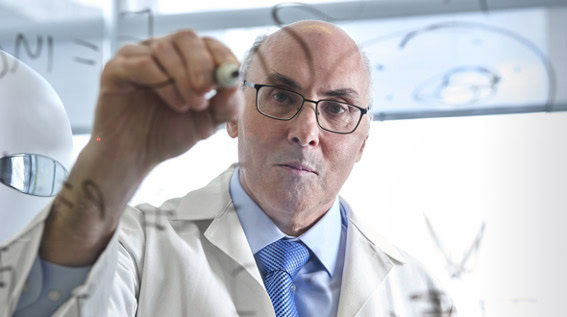
In a study named Breakthrough of the Year by Science magazine, the drug lenacapavir is found to be 100% effective at preventing HIV acquisition when used as twice-yearly injectable PrEP. The more than 5,000 cisgender adolescent girls in the study, conducted by Gilead Sciences, registered zero HIV infections. A second study among different populations shows 99.9% efficacy, and two other trials are ongoing.
Researchers announce that a German man, the “second Berlin Patient,” likely joins the six others who have been cured of HIV by a stem cell transplant. The patient has been in sustained remission for five and a half years after a transplant of donor cells with only a single “heterozygous” gene mutation for CCR5, meaning the donor cells were fully susceptible to HIV infection. Researchers are investigating what healing mechanisms may be at work in this case.

The IMPAACT P1115 study shows that early treatment may reduce the HIV reservoir and lay the groundwork for a functional cure, particularly for children. Researchers monitored 54 infants who acquired HIV in the womb and initiated ART within 48 hours after birth. Among six children who underwent a treatment interruption, four have been able to sustain remission of HIV for at least a year..
A clinical trial of EBT-101, a CRISPR gene therapy developed by Excision BioTherapeutics, finds that it does not prevent HIV viral rebound. Researchers, who will continue trials with a higher dosing of EBT-101 and a different delivery method, do establish that a gene-editing intervention could be safe and well tolerated.
Respected health journalism and HIV/AIDS informational resource aidsmap/NAM Publications shutters after 37 years, and AIDS/LifeCycle, an annual 545-mile bicycle ride to raise funds for San Francisco AIDS Foundation and the Los Angeles LGBT Center, announces that, after 30 years, 2025 will be its last.
Billionaire businessman Terry Ragon and wife Susan donate $400 million for HIV cure research at the eponymous Ragon Institute in Cambridge, Massachusetts. Researchers, including past amfAR grantees, will focus on replicating the supercharged immune systems of “elite controllers,” people living with HIV who can control the virus without antiretroviral therapy.
A U.S. district judge rules that the U.S. military cannot bar people living with HIV with an undetectable viral load from serving in the armed forces.
AIDS epidemiologists since the early 1980s, South African husband and wife researchers Salim and Quarraisha Abdool-Karim win the Lasker Prize (“America’s Nobel”) “for illuminating key drivers of heterosexual HIV transmission; introducing life-saving approaches to prevent and treat HIV; and statesmanship in public health policy and advocacy.”
Dr. Ada Adimora, a groundbreaking epidemiologist, clinician, mentor, and Distinguished Professor of Medicine at The University of North Carolina at Chapel Hill, dies on New Year’s Day.

AIDS activist and educator Hydeia Broadbent, who started her public advocacy at age six with a memorable appearance on Oprah, dies on February 20 at the age of 39. In 2017, Hydeia was profiled in amfAR’s Epic Voices interview series, with her video garnering 50,000 views.
David Mixner, longtime LGBTQ political strategist and AIDS activist, dies of long COVID at 77.
At the HIV Drug Therapy Glasgow conference in November 2024, researchers presented the eighth case of a possible HIV cure via stem cell transplant—the “French Patient,” a woman in her mid-fifties living in France who had been diagnosed with HIV in 1999.
1981
Unexplained cases of enlarged lymph nodes among gay men are observed and studied by physicians and researchers in New York City, including Dr. Mathilde Krim.
Drs. Michael S. Gottlieb, Joel D. Weisman, et al., report five cases of homosexual men with Pneumocystis carinii pneumonia, a rare form of pneumonia usually found only in severely immunosuppressed patients. The report is published in the June 5, 1981, issue of the U.S. Centers for Disease Control and Prevention’s Morbidity and Mortality Weekly Report (MMWR). Drs. Gottlieb and Weisman later are among amfAR’s founding directors.
The July 3, 1981, MMWR reports 26 cases of Kaposi’s sarcoma (KS), a rare cancer, in homosexual men in both New York and California. The New York Times publishes the first news article about the mysterious new disease. Initial use of the term gay-related immune deficiency (GRID) or “gay cancer” by the media and others mistakenly suggests an inherent link between homosexuality and the new disease. The first AIDS service organization, Gay Men’s Health Crisis (GMHC), is founded in New York City. U.S.
YEAR-END STATISTICS
A total of 159 cases of the new disease are recorded in the U.S.
1982
In addition to cases in men—particularly gay men—cases of AIDS are reported in hemophiliacs and in a few women, infants, and recipients of blood transfusions. Transmission of an infectious agent through blood and sexual contact is strongly suspected.
The Centers for Disease Control (CDC) establishes the term acquired immunodeficiency syndrome (AIDS) and identifies four “risk factors”: male homosexuality, intravenous drug use, Haitian origin, and hemophilia A.
U.S. YEAR-END STATISTICS
771 cases of AIDS reported to date
618 deaths
1983
A major outbreak of AIDS among both men and women in central Africa is reported.
The CDC adds female sexual partners of men with AIDS to its list of “risk groups.”
At the Pasteur Institute in France, Drs Françoise Barré-Sinoussi, Luc Montagnier, et al., isolate a new retrovirus from a French patient with AIDS symptoms. They call it lymphadenopathy-associated virus, or LAV.
Dr. Mervyn F. Silverman, Director of the San Francisco Department of Health, launches a citywide program to combat the local epidemic.
The AIDS Medical Foundation (AMF) is founded by Dr. Mathilde Krim, Dr. Joseph Sonnabend, Michael Callen, and others, as a New York-based AIDS research organization.
The first AIDS discrimination case is brought to court in the U.S. (The suit was filed by Dr. Sonnabend to prevent the eviction of his medical practice specializing in AIDS patients.)
The CDC warns blood banks of a possible problem with the U.S. blood supply and joins other government agencies in issuing the first recommendations for preventing sexual, drug-related, and occupational transmission of HIV.
AIDS cases have now been reported in 33 countries.
U.S. YEAR-END STATISTICS
2,807 cases of AIDS reported to date
2,118 deaths
1984
In Science, a publication of the American Association for the Advancement of Science, Dr. Robert Gallo of the U.S. National Cancer Institute reports that his lab has isolated the virus believed to cause AIDS. He calls it human T-cell lymphotropic virus type III (HTLV-III).
At the University of California, San Francisco, Dr. Jay A. Levy reports the isolation of a retrovirus from U.S. AIDS patients and healthy individuals in risk groups. He calls it the AIDS-associated virus (ARV).
Scientists conclude that AIDS is caused by a new retrovirus, which they later name human immunodeficiency virus (HIV).
U.S. Department of Health and Human Services Secretary Margaret Heckler predicts an AIDS vaccine will be ready for testing within two years.
Dr. Krim testifies before Congress on the need for AIDS research dollars and issues a plea for protecting the rights of people with AIDS.
Scientists isolate a virus that causes an AIDS-like illness in monkeys.
The AIDS Medical Foundation distributes its first 18 basic research grants.
U.S. YEAR-END STATISTICS
7,239 cases of AIDS reported to date
5,596 deaths
1985
The federal government licenses an HIV antibody test, and screening of the U.S. blood supply begins.
Ryan White, a 13-year-old hemophiliac with AIDS, is barred from school in Indiana.
The first International AIDS Conference is held in Atlanta.
The U.S. Department of Defense announces it will begin testing all new recruits for HIV infection and will reject those who test positive.
AMF joins forces with the Los Angeles-based National AIDS Research Foundation to form the American Foundation for AIDS Research (amfAR). Michael Gottlieb, M.D., and Mathilde Krim, Ph.D., become its Founding Chairmen; Elizabeth Taylor becomes its Founding National Chairman.
AIDS has now been reported in 51 countries and on every continent except Antarctica.
Rock Hudson dies of AIDS.
U.S. YEAR-END STATISTICS
15,527 cases of AIDS reported to date
12,529 deaths
1986
amfAR issues its first HIV/AIDS Treatment Directory.
In the first comprehensive report on AIDS, the Institute of Medicine states that $2 billion is needed annually for AIDS research and care.
U.S. Surgeon General C. Everett Koop calls for a comprehensive program of sex and AIDS education and urges the widespread use of condoms.
The National Institutes of Health (NIH) plans the formation of its AIDS Clinical Trials Group (ACTG).
The first controlled efficacy trial of AZT is undertaken by the NIH.
In West Africa, a second type of HIV, HIV-2, is discovered in commercial sex workers.
Dr. Krim and Elizabeth Taylor testify before Congress on the need for clinical research in the community setting, accelerated research on new treatments, and rapid access to experimental HIV/AIDS drugs.
Ms. Taylor appears in amfAR-produced public service TV ads to heighten AIDS awareness and encourage compassion for people with AIDS.
amfAR awards $1.5 million in research grants, including a grant to Dr. Nancy Chang to study an HIV enzyme called protease. (See 1995.)
amfAR Program Officer Terry Beirn joins the staff of the U.S. Senate Committee on Labor and Human Resources and helps craft major AIDS legislation for the next four years.
The first panel of the AIDS Memorial Quilt is created in San Francisco.
Perry Ellis dies of AIDS.
Jerry Smith dies of AIDS.
U.S. YEAR-END STATISTICS
28,712 cases of AIDS reported to date
24,559 deaths
1987
Approved in record time, zidovudine (AZT) becomes the first anti-HIV drug approved by the Food and Drug Administration (FDA). (At $10,000 for a one-year supply, AZT is the most expensive drug in history.)
amfAR awards its first grant addressing the international epidemic to Dr. Peter Piot for his landmark study of female-to-male HIV transmission in Kenya.
The CDC launches a new nationwide public information campaign, “America Responds to AIDS.”
Researchers realize that virtually all cases of HIV infection ultimately lead to full-blown AIDS, but only after a long incubation period.
And the Band Played On, a history of the AIDS epidemic by reporter Randy Shilts, is published.
The AIDS Coalition to Unleash Power (ACT UP) is founded in New York City.
The U.S. government bars HIV-infected immigrants and travelers from entering the country.
The Food and Drug Administration allows condom-makers to advertise the fact that latex condoms can help prevent the transmission of HIV and other sexually transmitted diseases.
The CDC expands its definition of AIDS to include wasting syndrome and dementia.
Michael Bennett dies of AIDS.
Liberace dies of AIDS.
amfAR Board member Sheldon Andelson, Esq., dies of AIDS.
U.S. YEAR-END STATISTICS
50,378 cases of AIDS reported to date
40,849 deaths
1988
amfAR’s Terry Beirn helps muster support for, and Congress passes, the first comprehensive AIDS legislation—the Hope Act of 1988.
amfAR funds research to evaluate the effectiveness of pilot needle exchange programs in San Francisco and Portland, Oregon. These early studies indicate that making sterile syringes available can help reduce HIV infection rates among injection drug users.
In New York City, new AIDS cases that result from shared needles exceed those attributable to sexual contact, and the city’s Health Department begins an experimental needle exchange program.
ACT UP demonstrates at FDA headquarters to protest the slow pace of AIDS drug approval.
The federal government mails an educational pamphlet, “Understanding AIDS,” to 107 million homes nationwide.
amfAR funds the nation’s first two community-based AIDS clinical trials units in New York City and San Francisco.
Dr. Ruth Ruprecht receives an amfAR grant to test whether AZT can prevent mother-to-infant transmission of an HIV-like virus in monkeys. (See 1994.)
Anthony Fauci, M.D., is named acting director of NIH’s new Office of AIDS Research.
The World Health Organization designates December 1 as World AIDS Day.
amfAR Founding Board member Peter Scott, Esq., dies of AIDS.
U.S. YEAR-END STATISTICS
82,362 cases of AIDS reported to date
61,816 deaths
1989
amfAR establishes a Community-Based Clinical Trials (CBCT) program and awards grants to 16 research units.
The NIH funds 17 community-based AIDS clinical research units as part of a federally sponsored research program.
As a result of CBCT trials, some funded by amfAR, the FDA approves treatments for AZT-induced anemia and Mycobacterium avium complex and a new method of preventing pneumonia.
Robert Mapplethorpe dies of AIDS.
amfAR staff member Bruce Kent dies of AIDS.
U.S. YEAR-END STATISTICS
117,508 cases of AIDS reported to date
89,343 deaths
1990
With crucial help from amfAR’s Terry Beirn, Congress passes the Americans with Disabilities Act, which protects individuals with disabilities, including both people with HIV/AIDS and those suspected of being infected, from discrimination.
Surveillance data indicate that while black and Latina women constitute just 19% of all U.S. women, they represent 72% of U.S. women diagnosed with AIDS.
Domestic and international groups boycott the VI International AIDS Conference in San Francisco to protest U.S. immigration policy banning HIV-infected visitors.
In Nairobi, Kenya, amfAR conducts its first international AIDS prevention workshop.
To date, nearly twice as many Americans have died of AIDS as died in the Vietnam War.
Elizabeth Taylor and Jeanne White testify before Congress, and amfAR’s Terry Beirn rallies support for passage of the Ryan White Comprehensive AIDS Resources Emergency (CARE) Act of 1990.
Ryan White dies of AIDS.
Keith Haring dies of AIDS.
Halston dies of AIDS.
U.S. YEAR-END STATISTICS
160,969 cases of AIDS reported to date
120,453 deaths
1991
The CDC reports that one million Americans are infected with HIV.
Kimberly Bergalis is reported to have been infected with HIV by her dentist.
Congress enacts the Housing Opportunities for People with AIDS (HOPWA) Act of 1991 to provide housing assistance to people with HIV/AIDS.
Earvin “Magic” Johnson announces that he is infected with HIV.
The red ribbon is introduced as a symbol of hope and compassion in the face of AIDS.
WHO estimates that nearly 10 million people are infected with HIV worldwide.
Freddie Mercury dies of AIDS.
amfAR staff members John Baker and Terry Beirn die of AIDS.
U.S. YEAR-END STATISTICS
206,563 cases of AIDS reported to date
156,143 deaths
1992
Both the Democratic and Republican national conventions are addressed by HIV-positive women.
The first clinical trial of combination antiretroviral therapy begins.
The FDA issues new rules that allow accelerated approval of new AIDS drugs based on “surrogate markers” of their efficacy, such as laboratory tests, rather than long-term clinical outcomes such as the relief of symptoms or prevention of disability and death.
In New York City, amfAR undertakes the largest and most comprehensive study of syringe exchange programs in the U.S. The research is designed to provide solid data on which to base future public policy.
President Clinton establishes a new White House Office of National AIDS Policy.
Alison Gertz dies of AIDS.
Tina Chow dies of AIDS. Anthony Perkins dies of AIDS.
amfAR staff members Roger Pascoe and Randy Primm die of AIDS.
U.S. YEAR-END STATISTICS
254,147 cases of AIDS reported to date
194,476 deaths
1993
In major U.S. cities, sexual transmission surpasses drug injection with contaminated needles as the leading cause of HIV infection among women.
AIDS patients start to show signs of resistance to AZT.
amfAR’s efforts contribute to the passage of the National Institutes of Health Revitalization Act, which strengthens NIH’s Office of AIDS Research.
The CDC’s decision to revise its definition of AIDS to include new opportunistic infections, cervical cancer, and HIV-positive people with T-cell counts under 200 results in an 111% increase in the number of U.S. AIDS cases. Many of these new cases are among women.
Dr. Carl Wild receives amfAR research funding to study the anti-HIV properties of a compound called T-20. (See 2003.)
In Nepal, amfAR launches an HIV prevention education program, providing technical assistance to community-level prevention activities conducted by 17 nongovernmental agencies.
A three-year European study shows no evidence that AZT delays the onset of AIDS.
The FDA approves a female condom for sale in the U.S.
Tom Hanks wins an Oscar for his role as a gay man with AIDS in the film “Philadelphia.”
Arthur Ashe dies of AIDS.
Rudolf Nureyev dies of AIDS.
amfAR staff members Brian Arndt and Jay Theodore die of AIDS.
U.S. YEAR-END STATISTICS
360, 909 cases of AIDS reported to date
234,225 deaths
1994
An NIH-funded trial demonstrates that AZT can reduce the risk of mother-to-infant HIV transmission in humans. amfAR grantee Dr. Ruth Ruprecht’s early research in animal models helped make the government’s study possible.
U.S. Surgeon General Joycelyn Elders, a vocal advocate for increased AIDS education, is forced to resign.
Drs. David Ho and George Shaw show that following initial infection HIV replicates in the body continuously, producing billions of copies each day.
Elizabeth Glaser dies of AIDS.
Randy Shilts dies of AIDS.
U.S. YEAR-END STATISTICS
441,528 cases of AIDS reported to date
270,870 deaths
1995
AIDS deaths in the U.S. reach an all-time high.
The New York Times reports that AIDS has become the leading cause of death among all Americans ages 25 to 44.
Between 1991 and 1995, the number of American women diagnosed with AIDS increased by more than 63%.
A clinical trial establishes dual combination therapy with AZT and other nucleoside analogues as a standard approach for HIV treatment.
The FDA approves the first protease inhibitor (saquinavir). (amfAR grantee Dr. Nancy Chang’s early studies of the protease enzyme helped spur the development of this powerful new class of anti-HIV drugs.)
Dr. Stephen Johnston, a 1992 amfAR grantee, announces significant progress in the development of DNA vaccines that are safe and effective against disease-causing organisms, including HIV. (DNA vaccines remain one of the most promising AIDS vaccine concepts.)
President Clinton establishes the President’s Advisory Council on HIV/AIDS.
Actress Sharon Stone becomes Chairman of amfAR’s Campaign for AIDS Research.
Eric Lynn Wright (Eazy-E) dies of AIDS.
Paul Monette dies of AIDS.
amfAR staff member Frank Nowicki dies of AIDS.
U.S. YEAR-END STATISTICS
513,486 cases of AIDS reported to date
319,849 deaths
1996
For the first time in the U.S., a larger proportion of AIDS cases occur among African Americans (41%) than among whites (38%).
The FDA approves the first non-nucleoside reverse transcriptase inhibitor (nevirapine), as well as a new viral load test that can measure the level of HIV in a patient’s blood.
Combination therapy is made available to HIV/AIDS patients for the first time, leading to a dramatic decline in AIDS-related deaths.
amfAR grantee Dr. Nathaniel Landau publishes research demonstrating that HIV requires a protein called CCR5 to infect cells. (See 1999.)
The Joint United Nations Programme on AIDS (UNAIDS) is established to coordinate a global response to the pandemic. (An early amfAR grantee, Dr. Peter Piot, is named its Executive Director.)
Between 1992 and 1996, the number of mother-to-infant HIV transmissions in the U.S. dropped by two-thirds, primarily as a result of treatment of HIV-infected mothers and their newborns with AZT.
Reports from the XI International Conference on AIDS in Vancouver, Canada, indicate that new combination therapies that include a protease inhibitor are extending the lives of some HIV/AIDS patients.
The first home HIV test is approved by the FDA.
As published in The Lancet, the results of a four-year amfAR-funded study of syringe exchange programs in New York City show that such programs reduce HIV infections by two-thirds and facilitate access to drug treatment and other health care services.
For the first time since the start of the epidemic, the number of Americans dying from AIDS declines, dropping 23% from the previous year. The decline is attributed primarily to the success of the new combination therapies.
The U.N. estimates that 22.6 million people are infected with HIV and 6.4 million people have died of AIDS worldwide.
amfAR staff member Travis Rogers dies of AIDS.
U.S. YEAR-END STATISTICS
581,429 cases of AIDS reported to date
362,004 deaths
1997
AIDS patients continue to live longer thanks to the new anti-HIV therapies, dubbed drug “cocktails,” and AIDS deaths in the U.S. decline by 42%. But the number of new HIV infections among Americans has remained constant at about 40,000 annually since 1992.
amfAR sponsors a think tank in association with the Aaron Diamond AIDS Research Center and The Rockefeller University to discuss vaccine research priorities.
amfAR launches targeted grant initiatives to design a safe and effective AIDS vaccine and develop methods of restoring immune system function in people infected with HIV.
President Clinton calls for the development of an AIDS vaccine by 2007.
Fela Anikulapo-Kuti dies of AIDS.
amfAR Board member Tom Stoddard dies of AIDS.
U.S. YEAR-END STATISTICS
641,086 cases of AIDS reported to date
390,692 deaths
1998
Early work by amfAR-funded researchers Drs. Joseph Sodroski and Richard Wyatt culminates in the first 3-D images of HIV as it attaches to the surface of immune cells. (Knowledge of this structure could be critical to designing an effective AIDS vaccine.)
AIDS deaths in the U.S. decline by 21%. However, the limitations of existing treatments, including the emergence of drug-resistant viral strains, cause scientists to predict that there will be no further significant declines.
Physicians express increasing concern over lipodystrophy and other side effects of current anti-HIV drugs.
Early hope that combination therapy might effect a clinical cure for AIDS fades.
amfAR grantees Drs. Jack Nunberg and Dan Littman develop a “fusion competent” vaccine concept that remains one of the most promising approaches in AIDS vaccine research.
U.S. Department of Health and Human Services Secretary Donna Shalala determines that needle exchange programs are effective in preventing HIV infection and do not encourage illegal drug use. But the Congressional ban on federal funding of such programs remains in place.
amfAR launches the first major clinical trial comparing two therapies for the treatment of hepatitis C (HCV) in people infected with HIV. (As many as 40% of Americans with HIV are co-infected with HCV.)
African American leaders declare that AIDS constitutes a “state of emergency” for their communities.
U.S. YEAR-END STATISTICS
688,200 cases of AIDS reported to date
410,800 deaths
1999
amfAR announces a new grant initiative to accelerate the development of topical substances (microbicides) that could neutralize HIV and prevent other sexually transmitted diseases.
In over 27 countries, the HIV infection rate has doubled since 1996. More than 95% of all HIV-infected people now live in the developing world, which has experienced 95% of AIDS deaths to date.
Experts estimate that at least half of all new HIV infections in the U.S. (and worldwide) occur among young people under the age of 25.For the first time in the U.S., a larger proportion of AIDS cases occur among African Americans (41%) than among whites (38%).
Women now account for 23% of AIDS cases in the U.S., as opposed to only 7% in 1985. One-third of new HIV infections occur among women, and young women are at particularly high risk. In sub-Saharan Africa, the epicenter of the global epidemic, 55% of all HIV-positive adults are women.
Scientists identify nevirapine as simpler, more effective, and cheaper than AZT for preventing mother-to-infant HIV transmission in developing countries.
amfAR’s HIV/AIDS Treatment Directory becomes available in an interactive, online database format.
T-20, one of a new class of anti-HIV drugs called “fusion inhibitors,” begins clinical trials. Efforts are also under way to develop related “binding inhibitors,” many of which target the CCR5 co-receptor discovered by amfAR grantee Dr. Nathaniel Landau.
amfAR staff member Paul Corser dies of AIDS.
U.S. YEAR-END STATISTICS
733,374 cases of AIDS reported to date
430,441 deaths
2000
amfAR Founding National Chairman Elizabeth Taylor receives the title Dame of the British Empire (D.B.E.) in honor of her contributions to the entertainment industry and the fight against AIDS.
With the leadership of U.S. Ambassador Richard C. Holbrooke and others, the United Nations Security Council declares AIDS an international security issue because it threatens social, economic, and political structures worldwide.
amfAR launches a targeted grant initiative to identify new viral and cellular targets for anti-HIV drugs.
UNAIDS and other global health groups announce a joint initiative with five major pharmaceutical companies to negotiate reduced AIDS drug prices in developing countries.
The CDC reports that black and Latino men now account for more AIDS cases among men who have sex with men (MSM) than white men.
The XIII International AIDS Conference in Durban, South Africa, focuses world attention on the exploding epidemic in sub-Saharan Africa, where millions of people with HIV/AIDS have little or no access to medical treatment.
In conjunction with the Durban conference, amfAR places a full-page ad in The New York Times headlined “HIV causes AIDS. To argue otherwise costs lives.” A response to a small but vocal minority who question the cause of AIDS, the ad is signed by over 500 scientists and physicians.
Dr. Mathilde Krim is awarded the Presidential Medal of Freedom in recognition of her leadership in creating the AIDS Medical Foundation in 1983 and amfAR in 1985, and her commitment to the fight against AIDS.
UNAIDS reports that 36.1 million people are now living with HIV/AIDS, over 13 million children have lost one or both parents to AIDS, and nearly 22 million people have died of AIDS-related causes since the epidemic began.
U.S. YEAR-END STATISTICS
774,467 cases of AIDS reported to date
448,060 deaths
2001
amfAR creates TREAT Asia, a network of clinics, hospitals, and research institutions working with civil society to ensure the safe and effective delivery of HIV/AIDS treatments throughout Asia and the Pacific.
Indian drug-maker Cipla announces it will sell triple-drug therapy for $350 per patient per year to Médecins Sans Frontières and directly to poor nations, prompting several major pharmaceuticals to lower prices. (In the U.S., the annual cost of combination therapy averages between $10,000 and $15,000.)
Recognizing the debilitating side effects associated with combination therapy and the speed with which HIV can develop resistance, the CDC issues new guidelines recommending that antiretroviral treatment be postponed until an individual’s immune system declines markedly.
A new study shows that 14% of individuals newly infected with HIV in the U.S. already exhibit resistance to at least one antiviral drug.
Pharmaceutical companies withdraw their lawsuit to block implementation of a South African law that permits the import and manufacture of generic antiretrovirals.
amfAR Founding National Chairman Elizabeth Taylor is awarded a Presidential Citizens Medal for her work against AIDS.
U.N. Secretary General Kofi Annan calls for the creation of a $7 to $10 billion global fund to combat AIDS in the developing world.
A special session of the United Nations General Assembly is held June 25-27 in an effort to intensify international action to fight the epidemic and mobilize adequate resources.
U.S. Secretary of State Colin Powell reaffirms the position that HIV/AIDS constitutes a national security threat.
AIDS organizations and advocates commemorate the 20th anniversary of a brutal, unrelenting epidemic.
If current trends remain unchanged, there will be more than 62 million people living with HIV/AIDS by 2005, and more than 40 million children will have been orphaned by AIDS in Africa alone by 2010.
Nkosi Johnson dies of AIDS.
U.S. YEAR-END STATISTICS
816,149 cases of AIDS reported to date
462,653 deaths
2002
The Global Fund to Fight AIDS, Tuberculosis, and Malaria—a partnership between government, civil society, the private sector, and affected communities—is established.
AIDS is the leading cause of death worldwide among people aged 15-59.
UNAIDS reports that women now comprise about half of all adults living with HIV/AIDS worldwide.
The FDA approves the OraQuick “finger prick” Rapid HIV-1 Antibody Test.
A survey of HIV-infected patients across the U.S. is initiated by amfAR and designed by Harris Interactive. Its purpose is to stimulate improvement in the overall medical care of people with HIV/AIDS.
U.S. YEAR-END STATISTICS
886,000 cases of AIDS reported to date
501,669 deaths
2003
During his State of the Union address, President George W. Bush announces his Emergency Plan for AIDS Relief (PEPFAR), a five-year, $15 billion initiative to fight HIV/AIDS, primarily in Africa and the Caribbean.
AIDSVAX, an experimental AIDS vaccine, fails to block HIV infection among the more than 2,000 intravenous drug users who volunteered for the first large-scale clinical trial of an AIDS vaccine.
T-20, or Fuzeon, first tested by amfAR researcher Dr. Carl Wild, is approved by the FDA, offering new hope to thousands of patients who are resistant to other anti-HIV drugs. (See 1993.)
UNAIDS and the World Health Organization announce the ‘3 by 5’ Initiative aimed at providing antiretroviral treatment to 3 million people worldwide by 2005.
U.S. YEAR-END STATISTICS
930,000 cases of AIDS reported to date
524,060 deaths
2004
The International AIDS Conference takes place in Bangkok, Thailiand, marking the first time the conference is held in Southeast Asia.
At the conference, representatives of amfAR’s TREAT Asia program announce findings from the TREAT Asia HIV Observational Database (TAHOD), the first and only database on HIV disease and treatment in Asia.
The FDA approves the use of oral fluid samples with a rapid HIV diagnostic test kit that provides screening results with 99 percent accuracy in as little as 20 minutes.
amfAR launches a new initiative to raise awareness about the spread of HIV among women and girls, and to promote research, education, and policy activities to address it.
A United Nations report warns of the growing AIDS crisis in Eastern Europe and the former Soviet Union.
15 million children worldwide have lost one or both parents to HIV/AIDS.
U.S. YEAR-END STATISTICS
940,000 cases of AIDS reported to date
529,113 deaths
2005
The CDC reports that more than one million Americans are living with HIV/AIDS.
Nelson Mandela announces the death of his son from AIDS-related complications.
The FDA approves Kaletra as the first once-a-day treatment option.
amfAR research fellows Drs. Bing Chen and Rosa Cardoso achieve separate breakthrough discoveries that could help speed the discovery of an effective AIDS vaccine.
Kenneth Cole, KNOW HIV/AIDS, a joint public education initiative of Viacom Inc. and the Kaiser Family Foundation, and amfAR launch a new AIDS awareness campaign, “We All Have AIDS,” to reduce the stigma associated with HIV/AIDS.
A new report released by the World Health Organization and UNAIDS shows that the number of people on HIV antiretroviral treatment in developing countries has more than tripled since 2003 to 1.3 million.
UNAIDS estimates that more than 40 million people are living with HIV worldwide.
2006
The CDC reports that African Americans account for more than half of new HIV infections in the U.S.
The CDC announces that mother-to-child HIV transmission in the U.S. has declined to less than two percent. Early studies supported by amfAR ultimately led to the use of antiretrovials to block mother-to-child transmission.
The FDA approves the world’s first anti-HIV drug that it taken once per day as a single pill.
The CDC recommends that all adolescents and adults be routinely tested for HIV infection.
amfAR’s TREAT Asia program launches a pediatric network to help improve the quality of life of children living with HIV/AIDS in Asia and the Pacific.
Circumcision is found to reduce HIV infections in men by around 50 percent.
2007
The Global Fund to Fight AIDS, Tuberculosis and Malaria more than doubles the number of patients receiving ARVs to more than 1.4 million.
Congress overturns the ban on using local taxpayer dollars to support syringe exchange programs in Washington, D.C.
amfAR launches the MSM Initiative, a global program to support HIV prevention, treatment, and advocacy efforts for men who have sex with men (MSM).The FDA approves maraviroc, the first in a new class of anti-HIV drugs called CCR5-blockers, and raltegravir, for patients whose treatment regimens have failed.
New UNAIDS statistics, based on new surveillance methods, estimate that 33 million people are living with HIV/AIDS.
2008
amfAR awards first Mathilde Krim Fellowships in Basic Biomedical Research, a program aimed at recruiting exceptional young researchers to the field of HIV/AIDS research.
Several months after receiving her Krim Fellowship, Dr. Nolwenn Jouvenet captures on film the birth of the new HIV virus particles—the first time the birth of any virus was recorded.
Revised CDC estimates reveal than 56,300 new HIV infections occurred in the U.S. in 2006—40 percent more than previously estimated.
Professor Luc Montagnier and Professor Francoise Barre-Sinoussi, both former amfAR grantees, share the 2008 Nobel Prize in Medicine for the 1983 discovery of a new retrovirus later named HIV.
The story of a man who was cured of HIV—known as “the Berlin Patient”—is first reported in The New England Journal of Medicine. The man, who also had leukemia, underwent a risky stem-cell transplant to eradicate his cancer while also receiving new cells with a naturally occurring, HIV-blocking CCR5 mutation.
2009
amfAR trustee and passionate HIV/AIDS research and advocacy supporter Natasha Richardson dies.
At a landmark conference on Capitol Hill, amfAR issues a Call to Action urging the federal government to overhaul its approach to HIV/AIDS prevention, treatment delivery, and research.
The U.S. House of Representatives lifts the 20-year ban on federal funding for syringe exchange programs.
Sen. Edward M Kennedy (D-MA), who championed AIDS-related legislation that touched millions of lives, dies.
The U.S. ends travel ban on HIV-positive visitors and immigrants. The ban had been in place since 1987.
2010
The first HIV-positive visitor freely enters U.S. after the lifting of the travel ban.
amfAR launches a research consortium for HIV eradication with an aim of furthering the search for a cure for HIV/AIDS.
The White House unveils the National HIV/AIDS Strategy—the first of its kind—that sets goals for reducing HIV incidence, increasing access to care, and reducing health-related disparities.
A study released at the XVIII International AIDS Conference in Vienna shows that a vaginal microbicide applied before heterosexual sex can protect some women from HIV infection.
The number of people receiving HIV/AIDS treatment in low- and middle-income countries reaches a record high of 5.25 million, but universal access remains a distant goal.
A landmark study shows that taking HIV drugs preventatively could significantly reduce infection among men who have sex with men (MSM).
2011
Scientific interest in the search for a cure for HIV/AIDS intensifies as the International AIDS Society and the NIH announce plans to launch their own cure initiatives.
amfAR marks its 25th year with the amfAR25 campaign, launched at the annual New York Gala honoring Founding International Chairman Elizabeth Taylor, President Bill Clinton, and Diane Von Furstenberg.
Founding International Chairman Elizabeth Taylor dies at 79 and is remembered around the world for her pioneering contributions to the fight against HIV/AIDS.
A landmark research study shows that putting healthy people living with HIV on antiretrovirals can limit their transmission of the virus by 96 percent.
More than 1.1 million people are living with HIV/AIDS in the United States, and more than 33 million people are living with HIV/AIDS around the world.
2012
Marking its ten-year anniversary in January, the Global Fund to Fight AIDS, Tuberculosis and Malaria has provided HIV treatment to 3.3 million people, tuberculosis treatment to 7.7 million, and malaria treatment to more than 230 million worldwide. The Fund has disbursed more than $14 billion in grants to 150 countries, and is credited with saving more than six million lives.
U.S. Department of Health and Human Services issues new guidelines recommending treatment for all adults and adolescents living with HIV, regardless of CD4 count or viral load.
The FDA approves the first at-home HIV test that enables people to learn their HIV status right away.
The FDA approves the use of Truvada for pre-exposure prophylaxis (PrEP). HIV-negative adults who are at risk for infection can take this medication to reduce their risk of acquiring HIV.
The 19th International AIDS Conference (AIDS 2012) is held in Washington, DC—the first time since 1990 that the conference has been held in the United States. Conference organizers had refused to convene the event in the U.S. until the federal government lifted the ban on HIV-positive travelers entering the country.
2013
The case of “the Mississippi child,” who showed no trace of HIV ten months after stopping antiretroviral therapy, generates excitement at the Conference on Retroviruses and Opportunistic Infections (CROI). Hopes that this was a case of a “functional cure” are dashed, however, when the child’s virus rebounds the following year.
French researchers report that they are following 14 people—the VISCONTI cohort—who are “functionally cured” of HIV. These individuals were given antiretroviral therapy soon after infection and have been off treatment for an average of more than seven years.
Secretary of State John Kerry announces that, aided by PEPFAR support, more than one million infants have been born HIV-free since 2003.
amfAR-funded researchers report that two HIV-positive patients in Boston who had bone-marrow transplants for blood cancers have apparently been virus-free for many weeks since stopping antiretroviral therapy. Both patients eventually experienced viral rebound.
UNAIDS reports a decline in HIV infections and AIDS-related deaths. In 2012, 2.3 million people were newly infected with HIV and 1.6 million people died of AIDS-related illnesses.
President Obama issues an executive order directing federal agencies to prioritize supporting the HIV care continuum as a means of implementing the National HIV/AIDS Strategy. The HIV Care Continuum Initiative aims to accelerate efforts to improve the percentage of people living with HIV who move from testing to treatment and—ultimately—to viral suppression.
President Obama signs the HIV Organ Policy Equity (HOPE) Act, which will allow people living with HIV to receive organs from other infected donors.
2014
Major provisions of the Affordable Care Act (ACA) go into effect barring insurers from discriminating against people with pre-existing conditions or imposing annual limits on coverage—key advances for people living with HIV.
amfAR announces the launch of the Countdown to a Cure for AIDS, a research initiative of up to $100 million aimed at developing the scientific basis for an HIV cure by the end of 2020.
amfAR also establishes a consortium of European researchers called IciStem to study and attempt to replicate the circumstances that led to the cure of Timothy Brown, the “Berlin patient.”
Researchers report on the first phase of the PARTNER Study, an observational study focusing on the risk of transmission when an HIV-positive person is on treatment. No study participants on antiretroviral therapy with an undetectable viral load transmit HIV to an HIV-negative partner.
The AIDS 2014 conference draws nearly 14,000 delegates from across the world. One key conference message: A one-size-fits-all approach may not be suitable for all settings, especially given the diversity of the epidemic’s geographic hotspots and key populations.
A new report by amfAR and AVAC finds that gaps in critical data imperil the response to the global HIV epidemic and outlines corrective steps for improved, transparent, and timely data collection.
The CDC announces that only 30% of Americans with HIV had the virus under control in 2011, and approximately two-thirds of those whose virus was not under control had been diagnosed but were no longer in care.
In November, amfAR convenes its first annual HIV Cure Summit at the New York Academy of Sciences. The Summit brings leading researchers together to report on their progress and to discuss the complex scientific challenges that stand in the way of an HIV cure.
2015
Researchers report that antiretroviral therapy is highly effective at preventing sexual transmission of HIV from a person living with HIV to an uninfected heterosexual partner when the HIV-positive partner is virally suppressed. The finding comes from the decade-long HPTN 052 clinical trial.
amfAR launches the PEPFAR Country/Regional Operational Plans (COPs/ROPs) Database, which is designed to help civil society organizations, ministries of health and finance, researchers, and other stakeholders to access and understand PEPFAR’s programs and priorities.
Indiana state health officials announce an HIV outbreak linked to injection drug use in rural Scott County. By the end of the year, Indiana will confirm 184 new cases of HIV linked to the outbreak.
In recognition of her leadership in the fight against HIV/AIDS, the National Portrait Gallery accepts two photographic portraits of Dr. Krim into its permanent collection.
The White House launches the National HIV/AIDS Strategy: Updated to 2020. The updated Strategy incorporates scientific advances, increased healthcare access due to the ACA, and a renewed emphasis on key populations, geographic areas, and practices necessary to end the domestic HIV epidemic.
The World Health Organization announces new treatment recommendations that call for all people living with HIV to begin antiretroviral therapy as soon after diagnosis as possible and daily oral PrEP as an additional prevention choice for those at risk of contracting HIV.
The U.S. Food and Drug Administration announces it will lift its 30-year-old ban on all blood donations by men who have sex with men and institute a policy that allows them to donate blood if they have not had sexual contact with another man in the previous 12 months.
amfAR celebrates its 30th anniversary. Over three decades, The Foundation has invested more than $400 million in its programs.
2016
The amfAR Institute for HIV Cure Research is established with a $20 million grant over five years to the University of California, San Francisco. The Institute will serve as the cornerstone of amfAR’s Countdown to a Cure for AIDS initiative.
The “Undetectable=Untransmittable (U=U)” slogan is launched by the Prevention Access Campaign to promote the finding that HIV-positive people who are virally suppressed cannot sexually transmit the virus to others.
A large international study reports that HIV resistance to the widely prescribed antiretroviral drug tenofovir is becoming increasingly common.
At CROI, researchers announce that a man taking the HIV prevention pill Truvada has contracted HIV—the first reported infection of someone regularly taking the drug.
The U.S. Department of Health and Human Services releases new guidance for state, local, tribal, and territorial health departments that will allow them to request permission to use federal funds to support syringe services programs.
The United Nations holds its 2016 High-Level Meeting on Ending AIDS. UN member states pledge to end the AIDS epidemic by 2030, but the meeting is marked by controversy after more than 50 nations block the participation of groups representing LGBT people from attending the meeting.
2017
Through the amfAR Research Consortium on HIV Eradication (ARCHE), a program that fosters collaboration among teams of scientists, amfAR awards more than $2.3 million in grants to seven teams of researchers working on gene therapy-based approaches to curing HIV.
African Americans account for 43% of new HIV diagnoses, although they comprise only 13% of the population.
The New York Times reports that, as a group, African American gay and bisexual men have a higher HIV prevalence than any nation in the world.
amfAR launches its Opioid & Health Indicators Database to help communities, policymakers, and advocates effectively respond to the opioid epidemic. The database houses comprehensive data on HIV and hepatitis C infections, opioid use, overdose death rates, and the availability of services such as drug treatment and syringe services programs.
California governor Jerry Brown signs a bill downgrading the charge for knowingly exposing a sexual partner to HIV or donating blood without disclosing the infection from a felony to a misdemeanor.
2018
Dr. Mathilde Krim, amfAR’s Founding Chairman, dies at 91. In remembrance, The New York Times calls her “America’s foremost warrior in the battle against superstitions, fears and prejudices that have stigmatized many people with AIDS.”
The NIH launches a large international study to compare the safety and efficacy of antiretroviral treatment regimens for pregnant women living with HIV and their infants.
A global analysis, reviewing studies involving nearly 800,000 people from 153 countries, finds that people living with HIV are twice as likely as their HIV-negative counterparts to suffer from heart disease.
The WHO certifies that Malaysia has eliminated mother-to-child transmission of HIV.
A study reports that targeted, high-coverage roll-out of PrEP is associated with a 25% reduction in new HIV diagnoses in one year. It is the first study to test PrEP’s population-level effectiveness.
amfAR-funded researchers at the European IciStem consortium report a “profound” reduction in the HIV reservoirs of five patients who have received stem cell transplants.
2019
President Trump announces his administration’s goal to end the HIV epidemic in the United States in 10 years. The proposed Ending the HIV Epidemic: A Plan for America aims to reduce the number of new HIV infections domestically by 75% in five years and by 90% by 2030.
amfAR-funded researchers report on the case of the “London Patient,” who may be only the second person to have been cured of HIV. Like the “Berlin patient,” the man has no detectable HIV infection after receiving a bone marrow transplant from a donor with a genetic mutation conferring immunity to HIV.
Surgeons at Johns Hopkins Hospital in Baltimore, MD, perform the first transplant of a kidney from an HIV-positive living donor into an HIV-positive recipient.
The NIH announces the launch of the LATITUDE clinical trial to evaluate long-acting injectable antiretroviral therapy for maintaining HIV suppression in people who find it challenging to take daily antiretroviral drugs.
amfAR launches its Ending the HIV Epidemic (EHE) Database website to help policymakers, public health officials, advocates, and other stakeholders to understand the opportunities and challenges across EHE jurisdictions.
2020
In January, Chinese researchers determine a novel coronavirus—SARS-CoV-2—is the cause of a cluster of transmissions in Wuhan. On March 11, the World Health Organization declares COVID-19 a pandemic.
An amfAR study responds to a crucial data gap by examining the impact of COVID-19 on Black communities. Countering the narrative that underlying health conditions (e.g., diabetes, cerebrovascular disease) were responsible for disparate rates of SARS-CoV-2 diagnoses among Black Americans, the study shows that social factors such as high rates of uninsured and crowded households in Black counties were responsible for greater rates of COVID-1. The study is later honored with the Elsevier Atlas Award.
Scheduled to convene in San Francisco and Oakland, AIDS 2020, the 23rd International AIDS Conference, follows COVID-19 safety protocols and goes completely virtual. It draws 13,453 participants from 176 countries.
Seeking to induce post-treatment control in people living with HIV using a combination of agents, a unique and potentially groundbreaking clinical trial led by Dr. Steven Deeks and other researchers at the amfAR Institute for HIV Cure Research gets underway. The complex, multi-stage trial is the culmination of four years of work by teams of researchers at the Institute, which amfAR launched in 2016 with a five-year $20 million grant to the University of California, San Francisco.
The age-adjusted rate of HIV-related deaths among people living with HIV in the U.S. decreased by almost half from 2010 to 2017, according to a CDC report.
2021
Dr. Joseph Sonnabend passes away on January 24, 2021. In 1983, Dr. Sonnabend, along with Dr. Mathilde Krim and Michael Callen, founded the AIDS Medical Foundation, which would join forces with Elizabeth Taylor’s National AIDS Research Foundation to form amfAR in 1985.
Even though AIDS has been around for longer than 40 years, June 5 marks the 40th anniversary of the first scientific reporting of identified AIDS cases in the U.S.
A 30-year-old Argentinian woman, diagnosed positive in 2013, appears to be spontaneously cured of HIV, according to a study whose authors include amfAR grantees. After an exhaustive search of 1.5 billion of the woman’s cells, researchers were unable to find any virus that could competently replicate. The woman, named the “Esperanza patient” after her birthplace, is the second person, after Loreen Willenberg, believed to have naturally cleared her infection.
Botswana becomes the first high-burden country to significantly reduce mother-to-child HIV transmission, an important step toward an AIDS-free generation.
amfAR’s TREAT Asia program receives a five-year $14.5 million grant from the U.S. National Institutes of Health, representing the fourth successive round of funding for a partnership between TREAT Asia and the Kirby Institute at the University of New South Wales (UNSW), Sydney, Australia. TREAT Asia’s network includes more than 50 research institutions and community organizations in 13 countries across the Asia-Pacific.
At a World AIDS Day event at the White House, President Biden announced the release of an updated National HIV/AIDS Strategy and recommitted the United States to ending AIDS as a public health threat by 2030. The Strategy focuses on four goals: prevent new HIV infections; improve HIV-related health outcomes of people with HIV; reduce HIV-related disparities and health inequities; and achieve integrated, coordinated efforts that address the HIV epidemic among all partners and stakeholders.
Two long-acting injectables are approved by the FDA—Apretude, the first long-acting injectable for PrEP, and Cabenuva, a long-acting HIV treatment.
2022
Russia’s invasion of Ukraine, which according to the WHO included hundreds of attacks on medical facilities and health workers, has interrupted access to lifesaving medications for people living with HIV, especially in the Donetsk region.
In April, a new variant of monkeypox (mpox) virus infection is identified in the UK and explodes into a global outbreak. amfAR helps guide the U.S. response to mpox and sound the alarm about the risk of acquiring the virus among those who comprise the majority of cases so far: men who have sex with men (MSM), particularly Black and Latino MSM as well as individuals living with HIV.
Two more individuals—the New York patient and the City of Hope patient—appear to have been cured of HIV after transplants using stem cells with the CCR5 mutation, an approach that has been a recurrent theme in amfAR’s cure research for the past 10 years.
The phenomenon of exceptional elite control—people who, without the use of ART, control HIV viral replication and do not experience immune dysfunction—has been noted in six individuals who have been followed for 30 years by researchers. Along with the Esperanza patient, reported in 2021, researchers propose they may be considered a good model for an HIV cure.
An instance of post-treatment control—another possible cure strategy—is reported by a research team in Spain. The Barcelona patient is a woman who had participated in a clinical trial of several immune-modifying interventions that variously suppress and stimulate immune function and stopped taking ART with no rebound of HIV for 15 years.
The WHO recommends use of long-acting injectable cabotegravir (CAB-LA) as PrEP for people at substantial risk for HIV.
Dr. Anthony Fauci—one of the most cited scientists of all time, particularly in the field of HIV/AIDS—retires in December as director of the National Institute of Allergy and Infectious Diseases at the National Institutes of Health. The nation’s top infectious disease expert since 1984, Fauci has been medical advisor to seven U.S. Presidents.
According to new UNAIDS data, progress in prevention and treatment has diminished to the point where urgent action is needed to address the inequalities driving AIDS and prevent millions of new HIV infections and AIDS-related deaths. 1.5 million new infections occurred in 2021—more than 1 million higher than UNAIDS targets—and adolescent women and girls, as well as members of key populations, made up the majority.
The Global Alliance for Ending AIDS in Children by 2030 (UNAIDS, UNICEF, WHO, and other partners) is launched to close the treatment gap between children and adults living with HIV (only 52% of children vs. 76% of adults are accessing lifesaving medications) and prevent new infant HIV infections.
2022 saw the passing of AIDS pioneers Dr. Luc Montagnier, co-discoverer of HIV and Nobel Prize winner, and Dr. Paul Farmer, health equity advocate and co-founder of Partners in Health.
2023
The Food and Drug Administration (FDA) revises its policy on blood donation, recommending that a risk assessment be given to all potential donors, regardless of gender or sexual orientation. The previous guidelines allowed men who have sex with men (MSM) to donate blood only after waiting three months after their most recent sexual encounter.
The Tennessee Department of Health abruptly rejects the use of available federal funds for HIV prevention services. Among the programs affected are HIV prevention and surveillance activities, as well as the federal Ending the HIV/AIDS Epidemic (EHE) initiative.
A study conducted at the amfAR Institute for HIV Cure Research at UCSF establishes proof of concept that combination immunotherapy may induce post-treatment control by altering facets of the virus or the immune response to it, and it provides a wealth of clues for scientists to build on for a scalable HIV cure.
In January, Janssen/Johnson & Johnson and partners discontinue the Phase 3 Mosaico HIV vaccine clinical trial after an independent review found that the vaccine regimen was not effective in preventing HIV. In December, PrEPVacc—an African-led study of a combination of experimental HIV vaccines and PrEP—was also discontinued after disappointing efficacy results.
An individual known as the Geneva patient may have been cured of HIV via a stem cell transplant. Unlike the previous five people cured with donor stem cells from individuals with the CCR5-delta32 genetic mutation, which renders cells almost impervious to HIV infection, this transplant involved “wild-type” donor cells without the mutation.
Uganda’s Anti-Homosexuality Act, signed into law by President Yoweri Museveni, represents one of the strictest and most discriminatory pieces of legislation against LGBTQ+ people and people living with or at risk for HIV ever enacted. Local activists and other countries criticized the law, fearing it will negatively impact HIV prevention and treatment.
Succeeding Dr. Anthony Fauci, Dr. Jeanne Marrazzo, a respected expert in HIV prevention, is appointed director of the National Institute of Allergy and Infectious Diseases (NIAID).
Researchers in the Netherlands share study results detailing a new case of post-treatment control of HIV. Diagnosed in 1998, the man has remained undetectable for close to two decades post-treatment. Comprehensive genetic and immunologic analyses by researchers, including past amfAR grantee Dr. Jori Symons of University Medical Center Utrecht, suggest that the case may be the result of strong CD8 immune cell responses and a virus that seemed slow to replicate, possibly due to a mutation.
Along with collaborator Dr. Katalin Karikó, veteran HIV vaccine researcher and amfAR grantee Dr. Drew Weissman of the University of Pennsylvania is awarded the 2023 Nobel Prize in Physiology or Medicine for his work on mRNA, which proved instrumental in the development of effective vaccines for Covid-19.
2024
In a study named Breakthrough of the Year by Science magazine, the drug lenacapavir is found to be 100% effective at preventing HIV acquisition when used as twice-yearly injectable PrEP. The more than 5,000 cisgender adolescent girls in the study, conducted by Gilead Sciences, registered zero HIV infections. A second study among different populations shows 99.9% efficacy, and two other trials are ongoing.
Researchers announce that a German man, the “second Berlin Patient,” likely joins the six others who have been cured of HIV by a stem cell transplant. The patient has been in sustained remission for five and a half years after a transplant of donor cells with only a single “heterozygous” gene mutation for CCR5, meaning the donor cells were fully susceptible to HIV infection. Researchers are investigating what healing mechanisms may be at work in this case.
The IMPAACT P1115 study shows that early treatment may reduce the HIV reservoir and lay the groundwork for a functional cure, particularly for children. Researchers monitored 54 infants who acquired HIV in the womb and initiated ART within 48 hours after birth. Among six children who underwent a treatment interruption, four have been able to sustain remission of HIV for at least a year..
A clinical trial of EBT-101, a CRISPR gene therapy developed by Excision BioTherapeutics, finds that it does not prevent HIV viral rebound. Researchers, who will continue trials with a higher dosing of EBT-101 and a different delivery method, do establish that a gene-editing intervention could be safe and well tolerated.
Respected health journalism and HIV/AIDS informational resource aidsmap/NAM Publications shutters after 37 years, and AIDS/LifeCycle, an annual 545-mile bicycle ride to raise funds for San Francisco AIDS Foundation and the Los Angeles LGBT Center, announces that, after 30 years, 2025 will be its last.
Billionaire businessman Terry Ragon and wife Susan donate $400 million for HIV cure research at the eponymous Ragon Institute in Cambridge, Massachusetts. Researchers, including past amfAR grantees, will focus on replicating the supercharged immune systems of “elite controllers,” people living with HIV who can control the virus without antiretroviral therapy.
A U.S. district judge rules that the U.S. military cannot bar people living with HIV with an undetectable viral load from serving in the armed forces.
AIDS epidemiologists since the early 1980s, South African husband and wife researchers Salim and Quarraisha Abdool-Karim win the Lasker Prize (“America’s Nobel”) “for illuminating key drivers of heterosexual HIV transmission; introducing life-saving approaches to prevent and treat HIV; and statesmanship in public health policy and advocacy.”
Dr. Ada Adimora, a groundbreaking epidemiologist, clinician, mentor, and Distinguished Professor of Medicine at The University of North Carolina at Chapel Hill, dies on New Year’s Day.
AIDS activist and educator Hydeia Broadbent, who started her public advocacy at age six with a memorable appearance on Oprah, dies on February 20 at the age of 39. In 2017, Hydeia was profiled in amfAR’s Epic Voices interview series, with her video garnering 50,000 views.
David Mixner, longtime LGBTQ political strategist and AIDS activist, dies of long COVID at 77.
At the HIV Drug Therapy Glasgow conference in November 2024, researchers presented the eighth case of a possible HIV cure via stem cell transplant—the “French Patient,” a woman in her mid-fifties living in France who had been diagnosed with HIV in 1999.